Exploring the Species in My Own Backyard
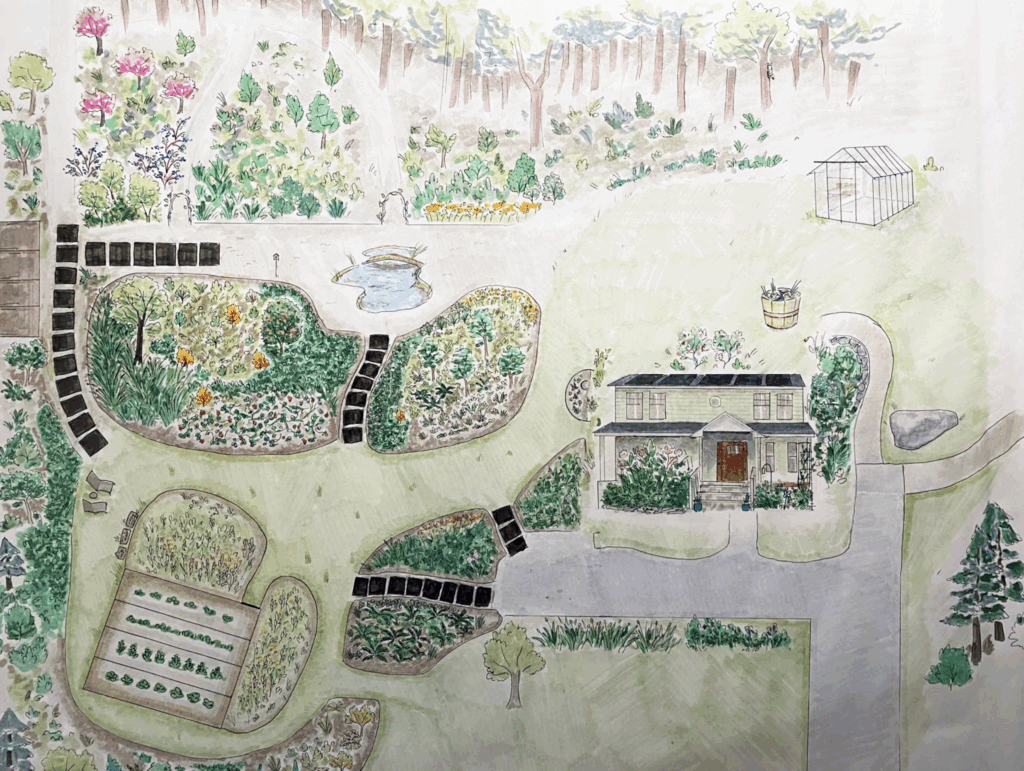
Above: Artwork by Katie Brown, a talented team member.
“If you build it, they will come.” Have you seen this quote? It’s been used for many things over the years, but I think it’s especially appropriate for native plant gardening. As the year comes to a close, I was thinking about all of the changes that have taken place in my yard since I moved here. In the beginning, there weren’t many native plants. My yard had the typical suburban landscape: mostly lawn, a Japanese maple surrounded by liriope, and azaleas along the front foundation. There were lots of native canopy trees around the perimeter of our property and a woodland with wetlands behind it where invasive plants were encroaching and forming their own communities. Over the past two decades, my yard and the surrounding woodland have been transformed into an inviting oasis for many creatures — including myself.
I enjoy observing the beauty of nature as it unfolds. In winter, the first signs of life appear when skunk cabbage generates its own heat to melt ice and snow so its flowers can bloom. There are so many in the woodland, they cover the forest floor like a groundcover with their wide, bright green leaves. By late February, the bluebirds return to the nest box that was built for them.They’ll stay long enough to raise two broods before leaving in the fall. Around mid-April, I look forward to the return of hummingbirds and monarchs, welcomed reminders that spring is in full swing. I love listening to the calls of barred owls, red-shouldered hawks, and a variety of frogs, plus the sound of rustling leaves from squirrels and birds as they go about their day. The beauty of the plants unfolds with new buds, flowers, and leaves, changing the landscape throughout the seasons. There is always something to admire and a new food source for the pollinators and birds.
After listening to many talks given by Doug Tallamy, I was inspired to create a species list for my yard. In his books and lectures, Tallamy emphasizes the importance of using keystone species—plants that have a large impact on the ecosystem—to attract the greatest number of insects and animals. However, all native plants are valuable.
My goal is to learn more about what is in my yard. I’m also curious to find out whether increasing the diversity of plants will increase the diversity of animal species visiting my yard.
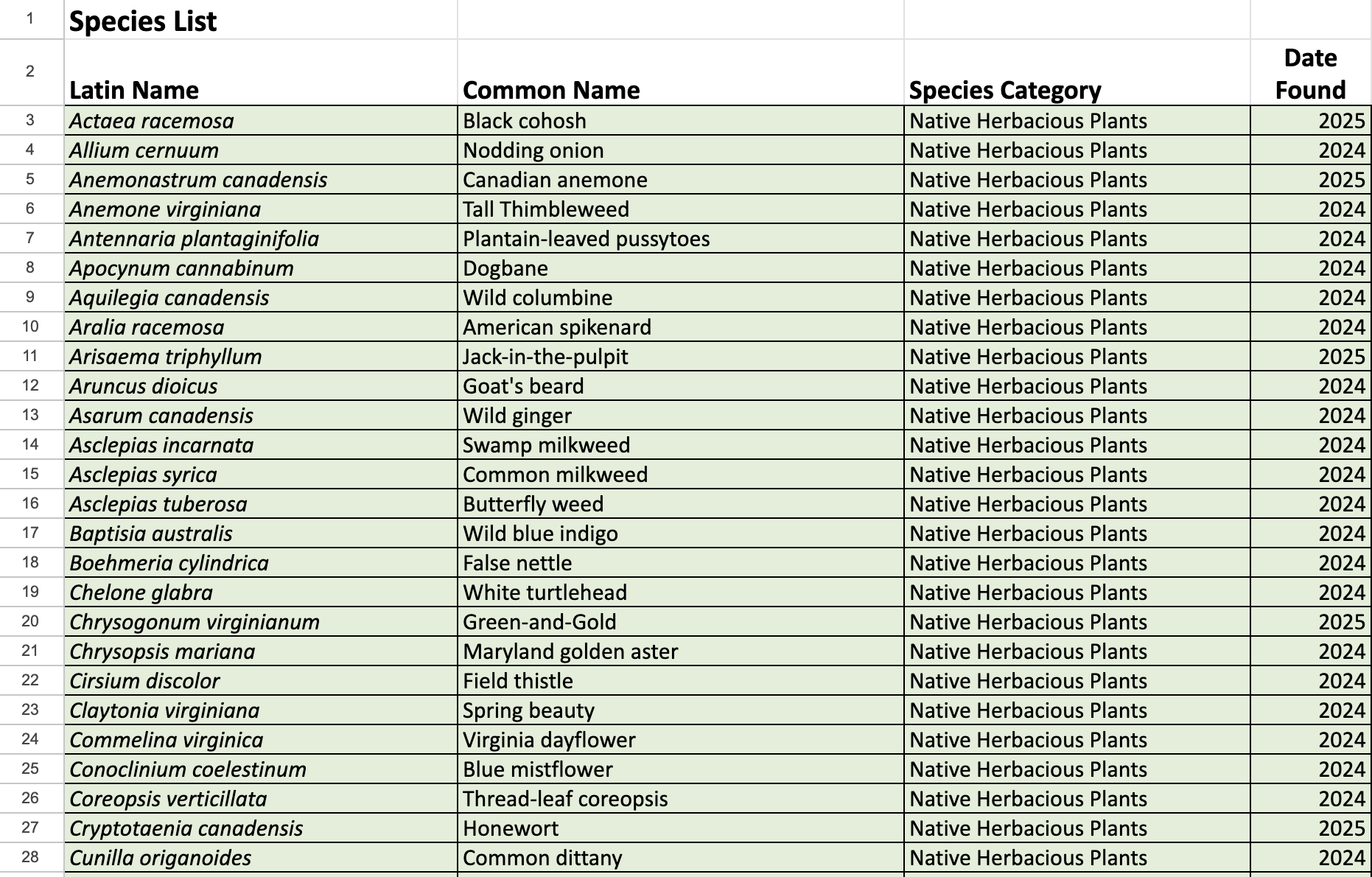
I began tracking species in 2024 using a spreadsheet, though tools like Seek and iNaturalist can also be used for documentation. I’m currently up to 519 species, which includes both native and non-native species, and I am continually impressed by the number of species I’ve been able to document. I am not a botanist or a specialist in insects, birds, or other wildlife, but I do my best to identify each species correctly. When I am unsure, I note the organism as unknown, record it at the family level, or use the generic designation spp.
Below is a sample of my list. You can click on the link to see a full list of the species.
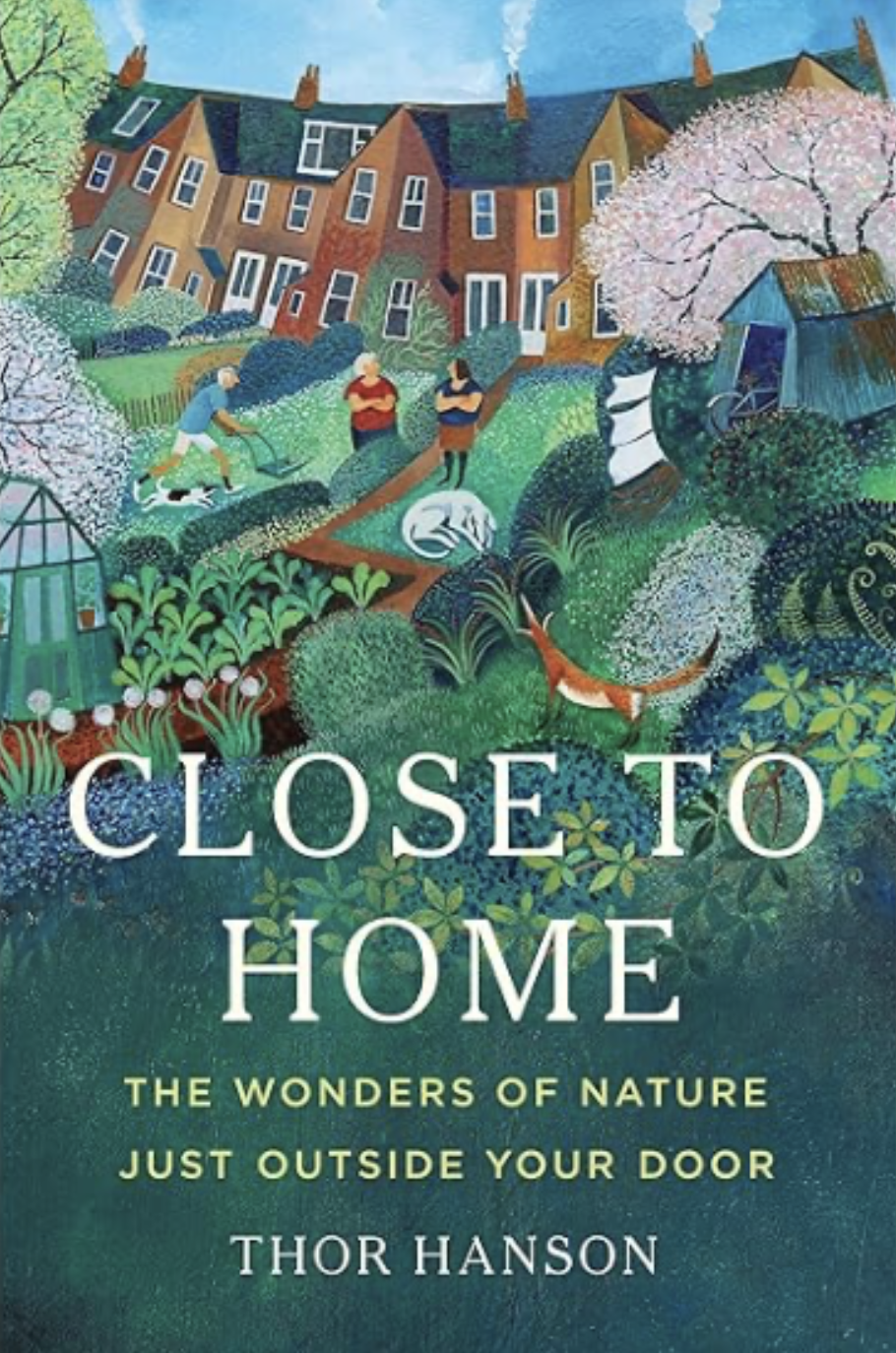
To my delight, I came across a book this year called “Close to Home: The Wonders of Nature Just Outside Your Door” by Thor Hanson. He wrote about all the species living on his property—going so far as to crawl along the ground, climb to the tops of trees, and examine his soil under a microscope. I’m not quite at his level of detail, but I may get there one day.
I have many “wish list” species—far too many to list—but there are three I would especially like to see in my yard: the zebra swallowtail, rosy maple moth, and the common buckeye. I already have host plants in my yard to attract them, so I either have to look harder or plant more of their favorite plants. Or I can just be patient, like in the case of the zebra swallowtail — which are naturally found along the Potomac River. There was one documented on iNaturalist in my neighborhood, so I have hope. I also need to learn about their life cycle, so I know when to look for them. That’s also part of the fun. The rosy maple moth is both unique and beautiful, dressed in soft pink and yellow fluff and is a frequent visitor of maple trees. I definitely need to plant more wild petunia, as I hope to attract one of my favorite lepidopterans—the common buckeye.
I have seen opossums, skunks, and turkeys on my property, though it has been a while since they last passed through. My birding app regularly records cedar waxwings and indigo buntings, but I have yet to see them myself. I need to improve my birding observation skills and remember to bring out the binoculars when the app indicates they are nearby.
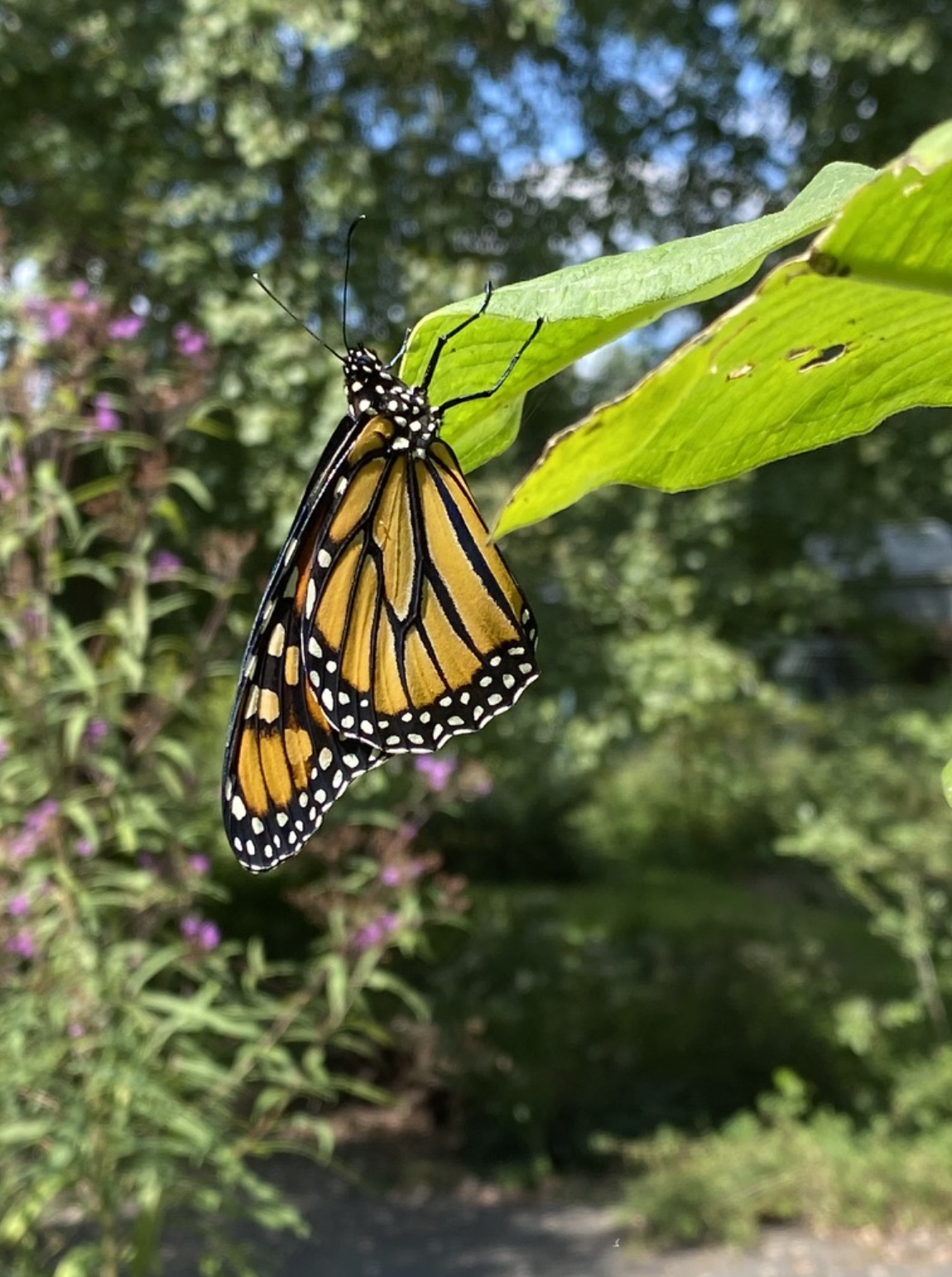
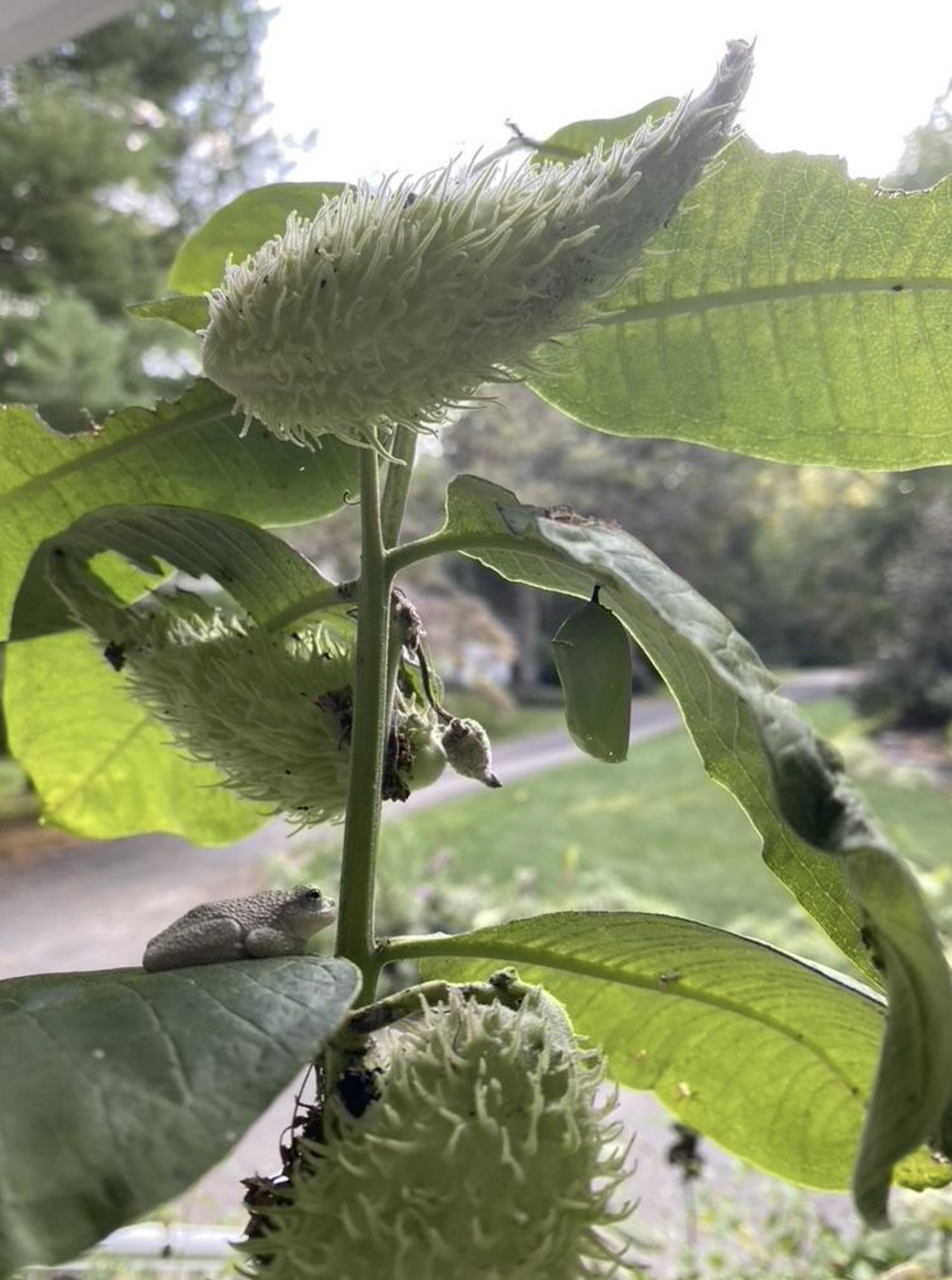
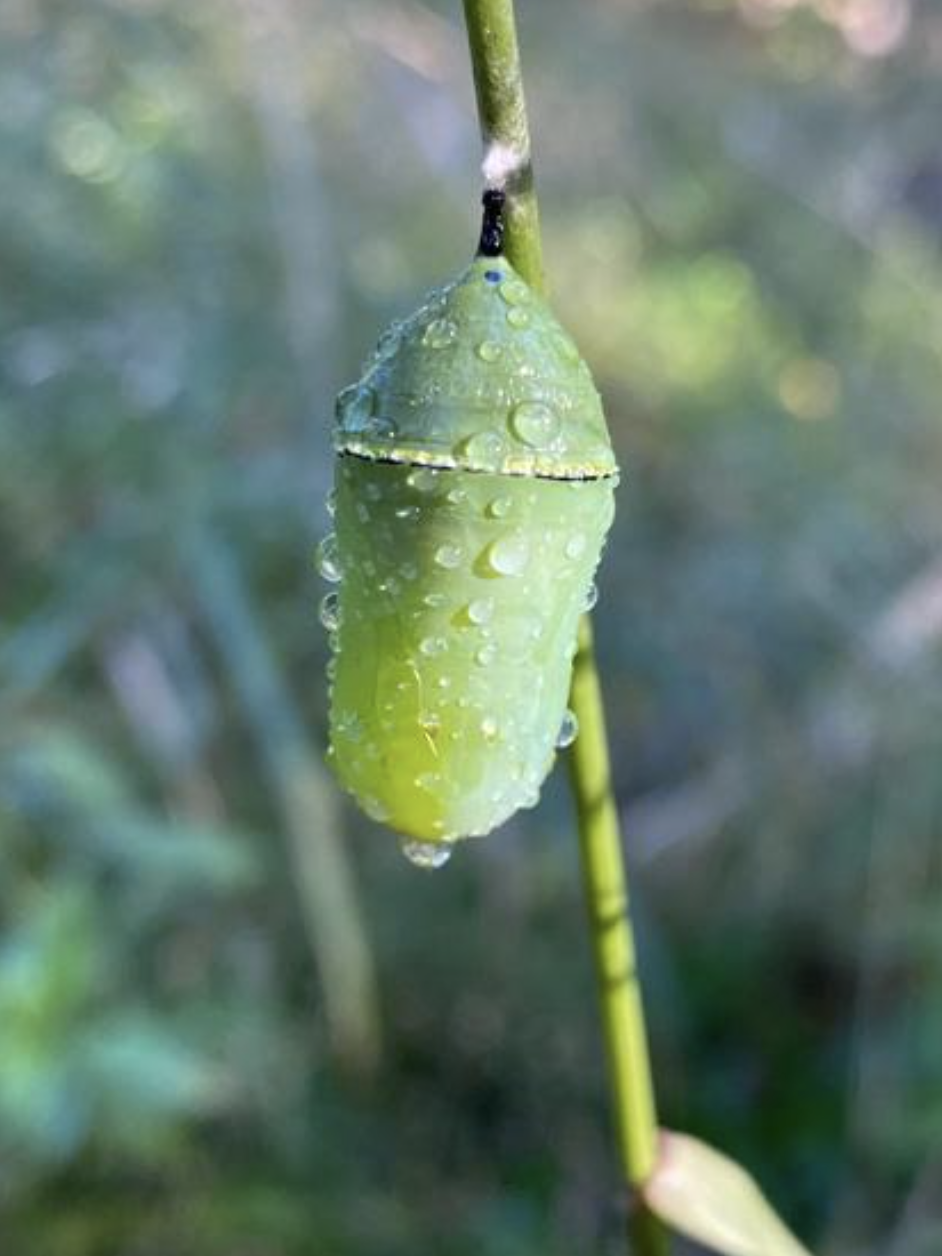
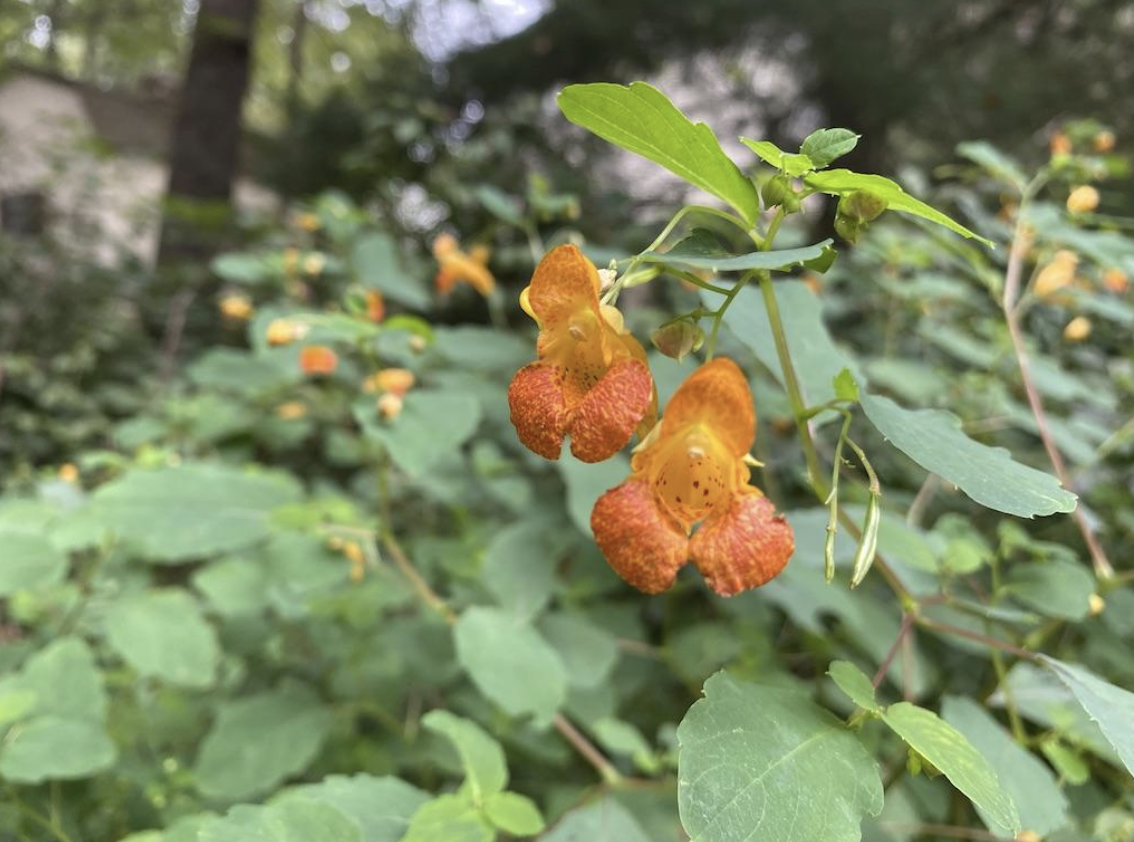
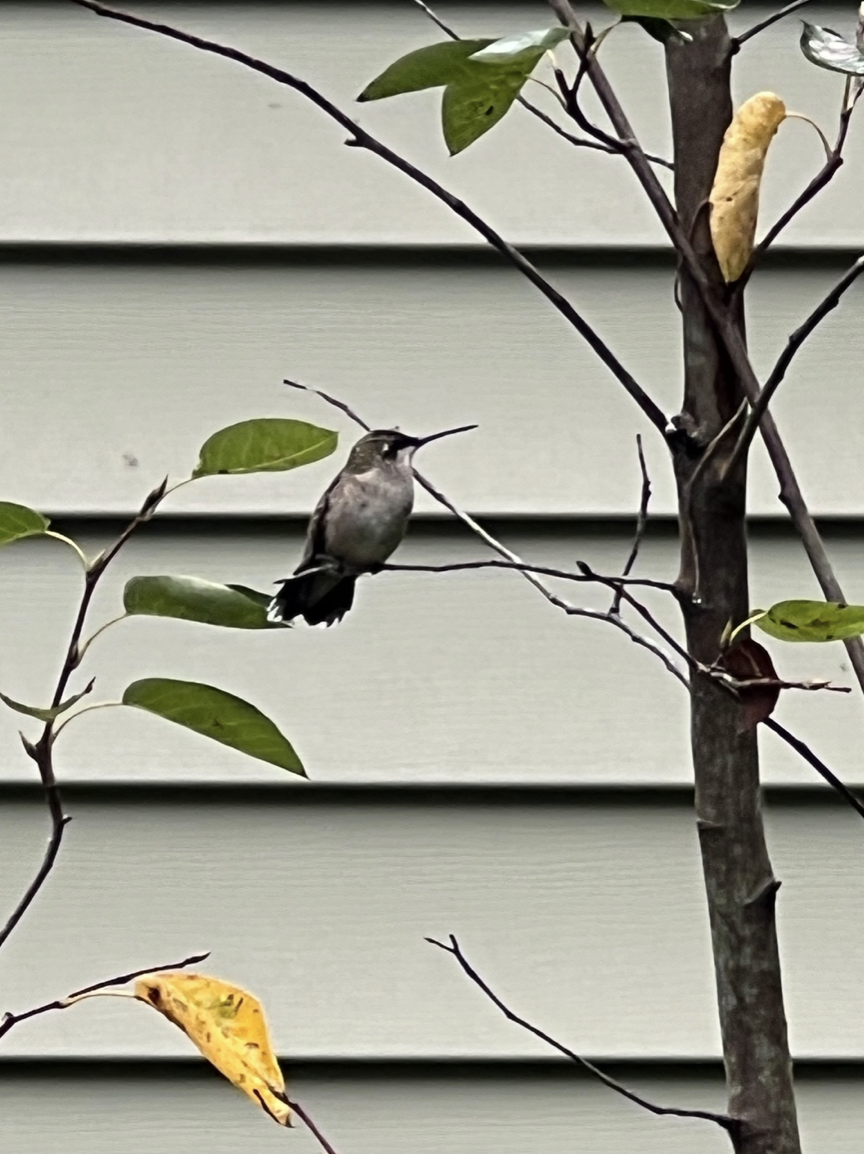
Both hummingbirds and monarch butterflies are regulars in my yard, and I feel very lucky to have them year after year. In both cases, I have the right habitat for them. The hummingbirds are early users of the tulip poplar tree, using the nectar of the early spring blossoms. I have a coral honeysuckle that blooms in May, vining up my back deck so we get a close-up view as they sip nectar from the red blooms. Before they leave for Mexico and Central America in the late summer and fall, they fill up on the nectar of several large jewelweed stands. My garden has three areas set aside for common milkweed. The monarch butterflies do not disappoint. They have come through in the spring before, but I tend to see them more often in late summer and fall, when they lay their eggs. One stand is right next to the front porch, so we get a close-up view of their life cycle. We check them every day and get to watch each stage: egg, instar, the “J” stage, chrysalis, the opening of the chrysalis as the wings unfold and dry, and finally, takeoff. There are plenty of goldenrod and asters for the new butterflies to fuel up before their journey to the southern U.S. and onward to the oyamel fir forests of Mexico.
I’ve wanted a pond in my yard for several years, not only because water features of any kind are beautiful and calming, but also because it attracts a variety of wildlife up close. The artist’s rendition of my yard above shows my future pond. It will be built this winter with hopes of planting in and around it next spring.
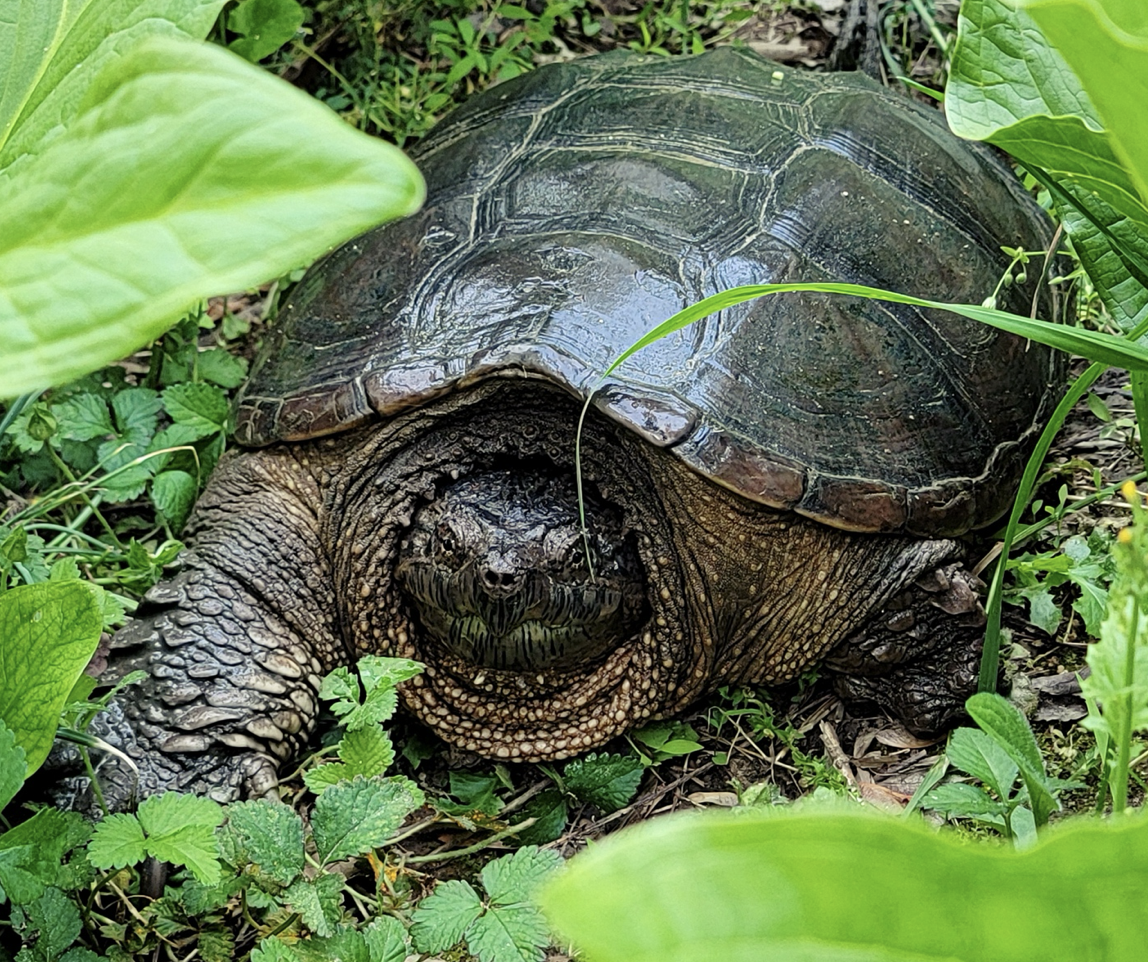
I’m fortunate to live next to a forest edge complete with a wetland, vernal pools, and a creek. The diversity of plants and animals there is greater than what is found in my yard. I often see damselflies and dragonflies, and once I saw a very large and intimidating snapping turtle, which came out of the creek to lay her eggs. I use iNaturalist to document those species because it also helps anyone searching for data from this area.
I encourage you to create your own list in 2026—even apartment patios, small yards, and urban properties support far more life than you might realize. Think of it as a challenge for the new year. As you create a wildlife-friendly habitat, you can see how your environment changes over the months and years. There are some easy changes you can make that don’t require a big investment of time or money, but will lead to a more diverse habitat.
You can create debris piles from sticks, leaves, and rocks. These piles provide shelter for birds and insects and will eventually decompose, adding nutrients to the soil that benefit plants and fungi. You can plant native species and remove invasive plants from your property or community—every little bit helps. Reducing the size of your lawn can also increase space for natural areas. You might also consider adding a water feature, such as a barrel pond, as water features tend to attract the most wildlife since all living things need water. Before long, you’ll be on your way to creating a nature sanctuary!
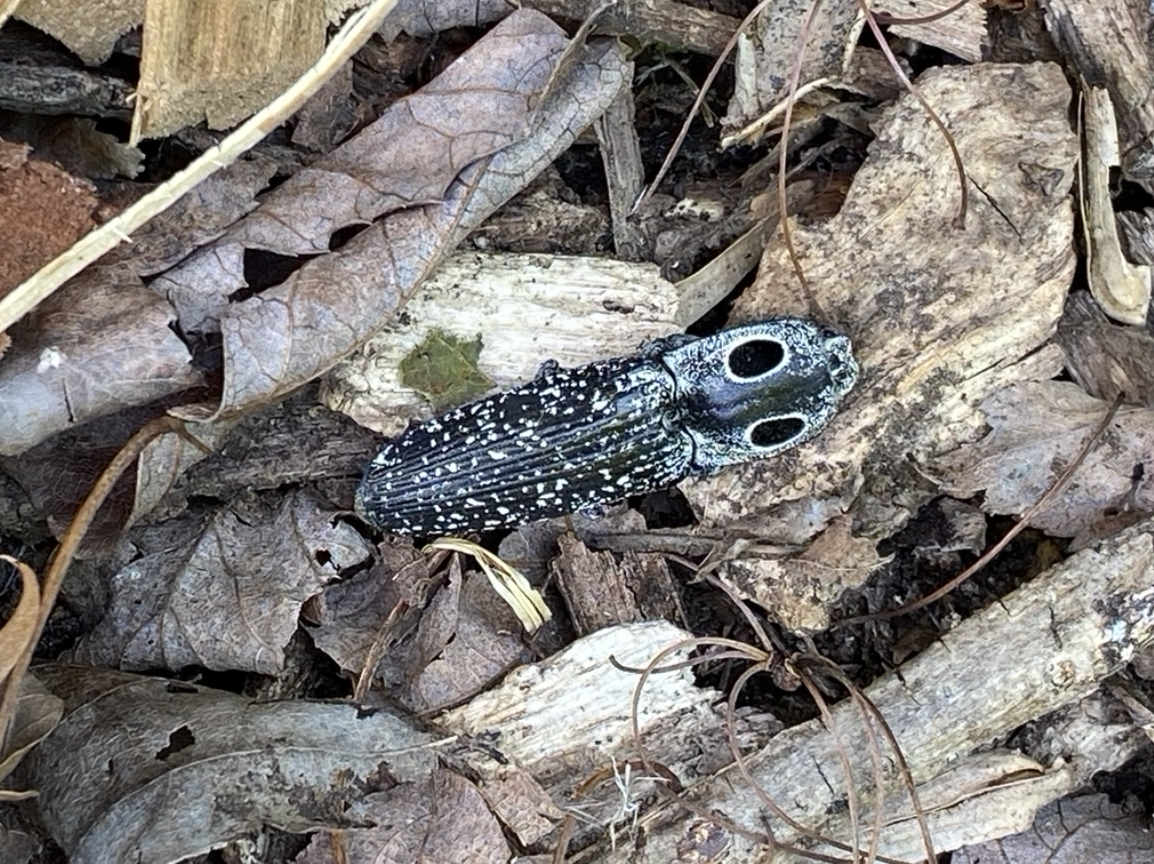
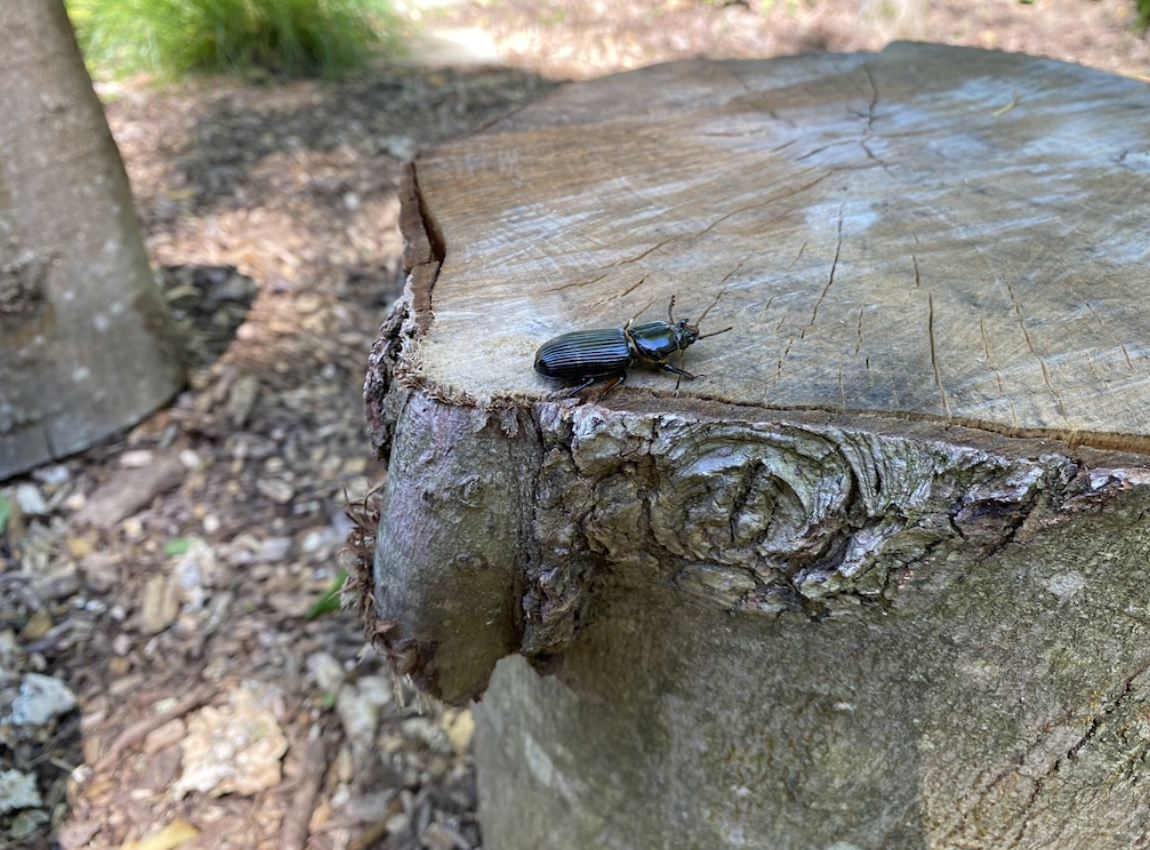
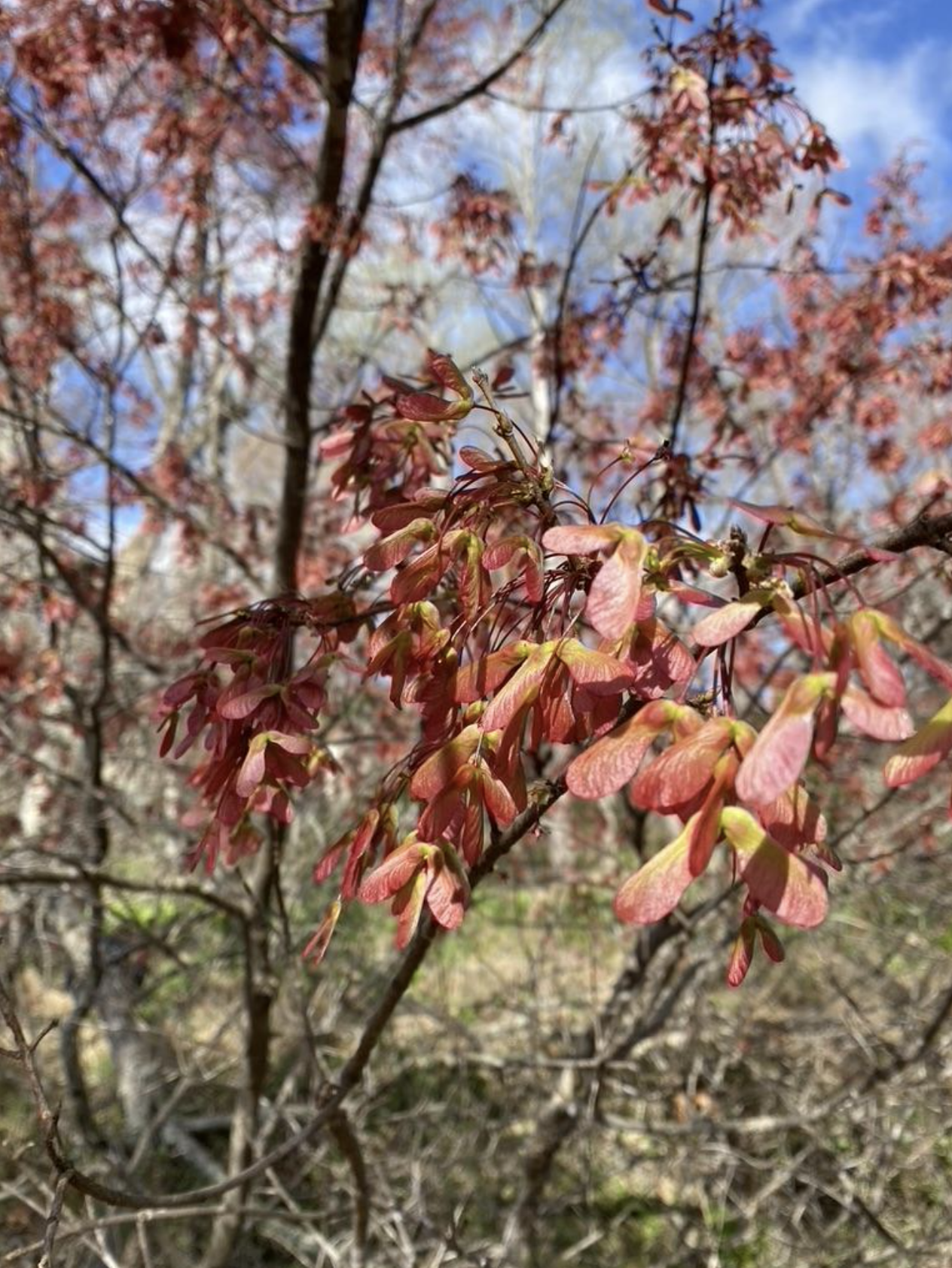
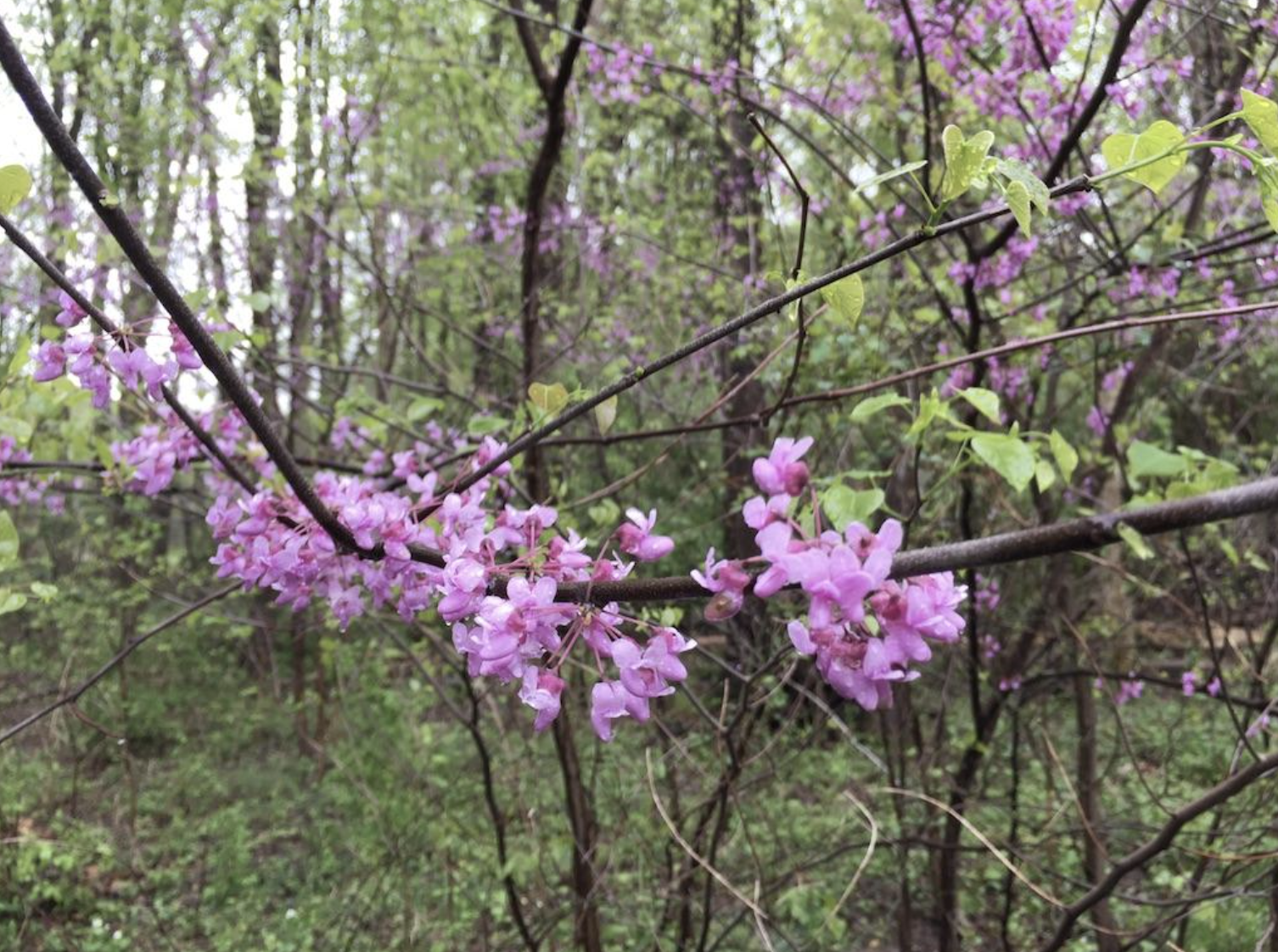
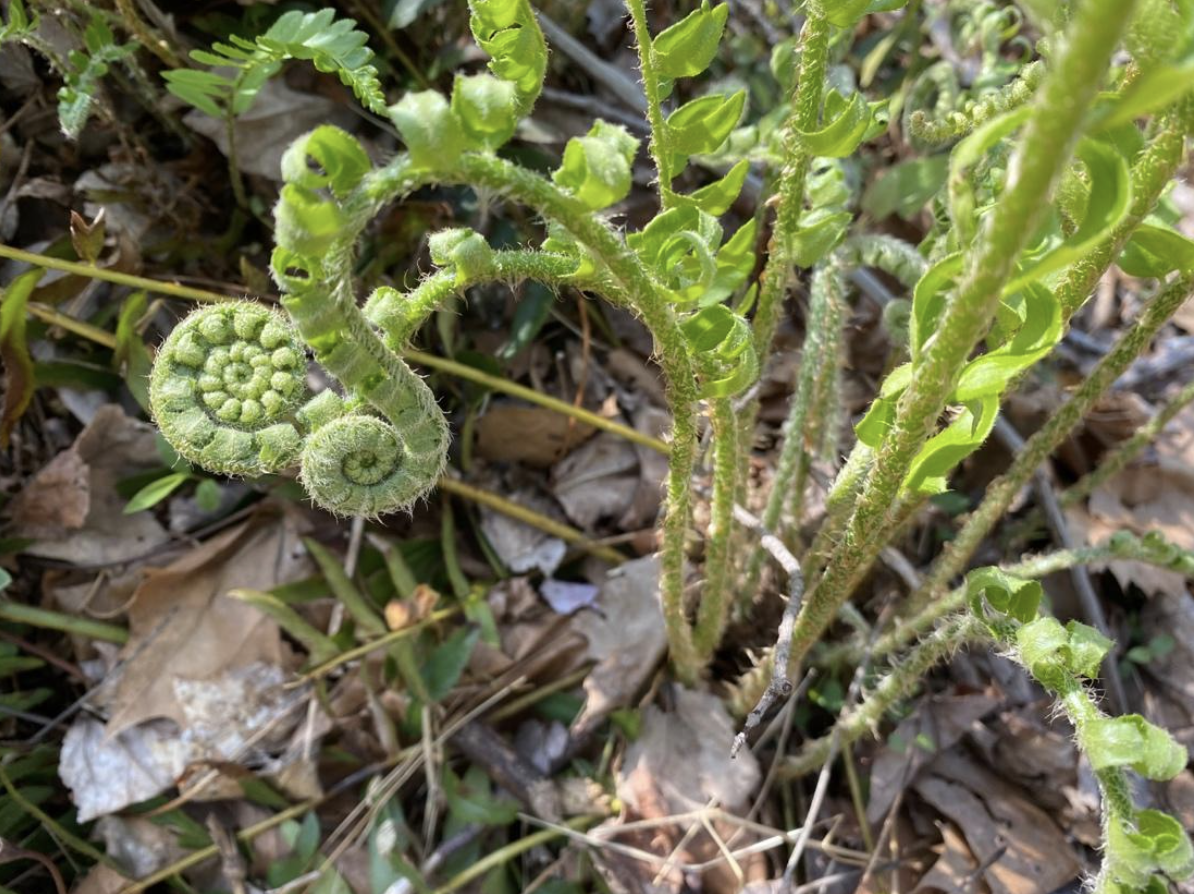
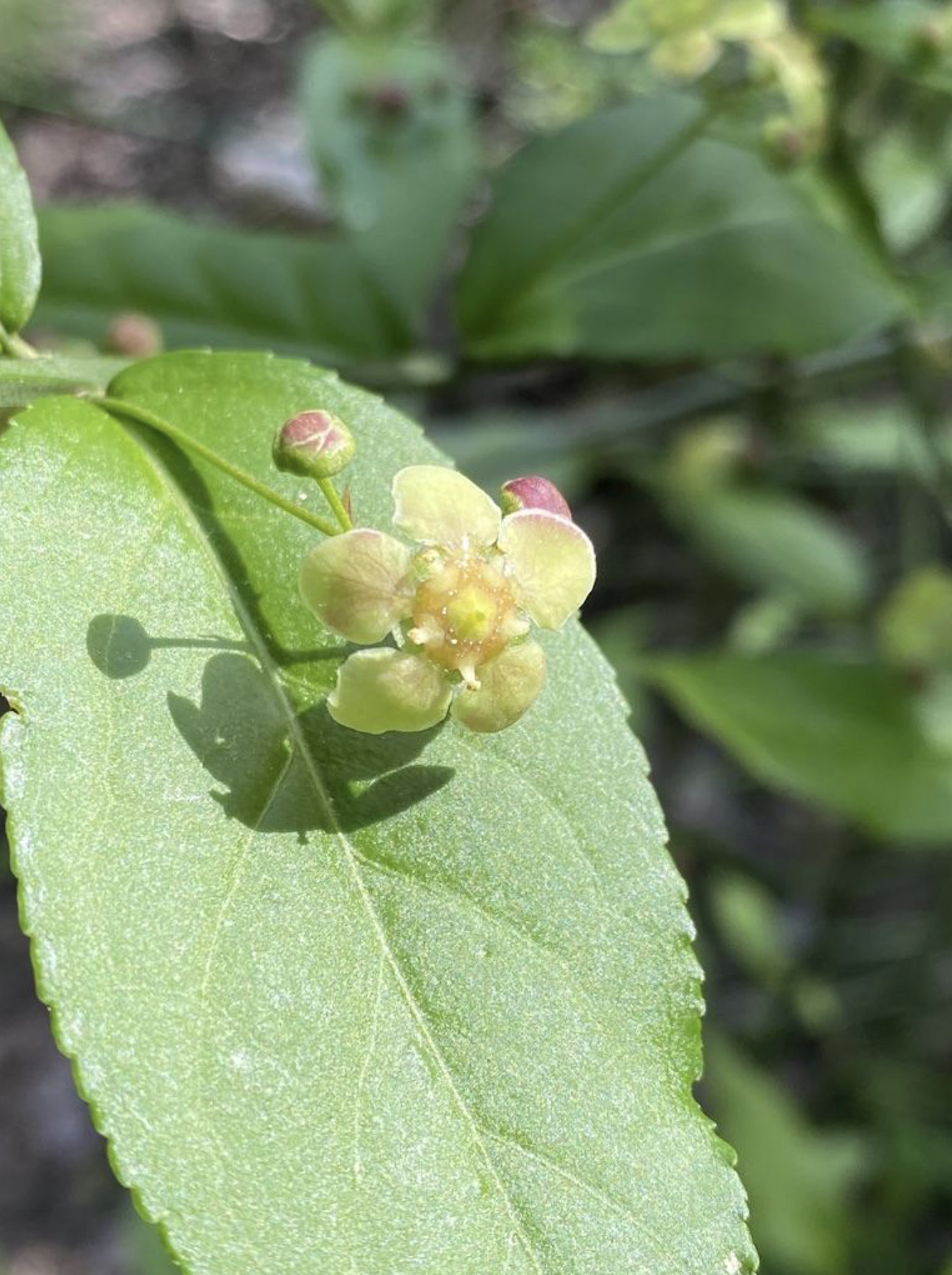
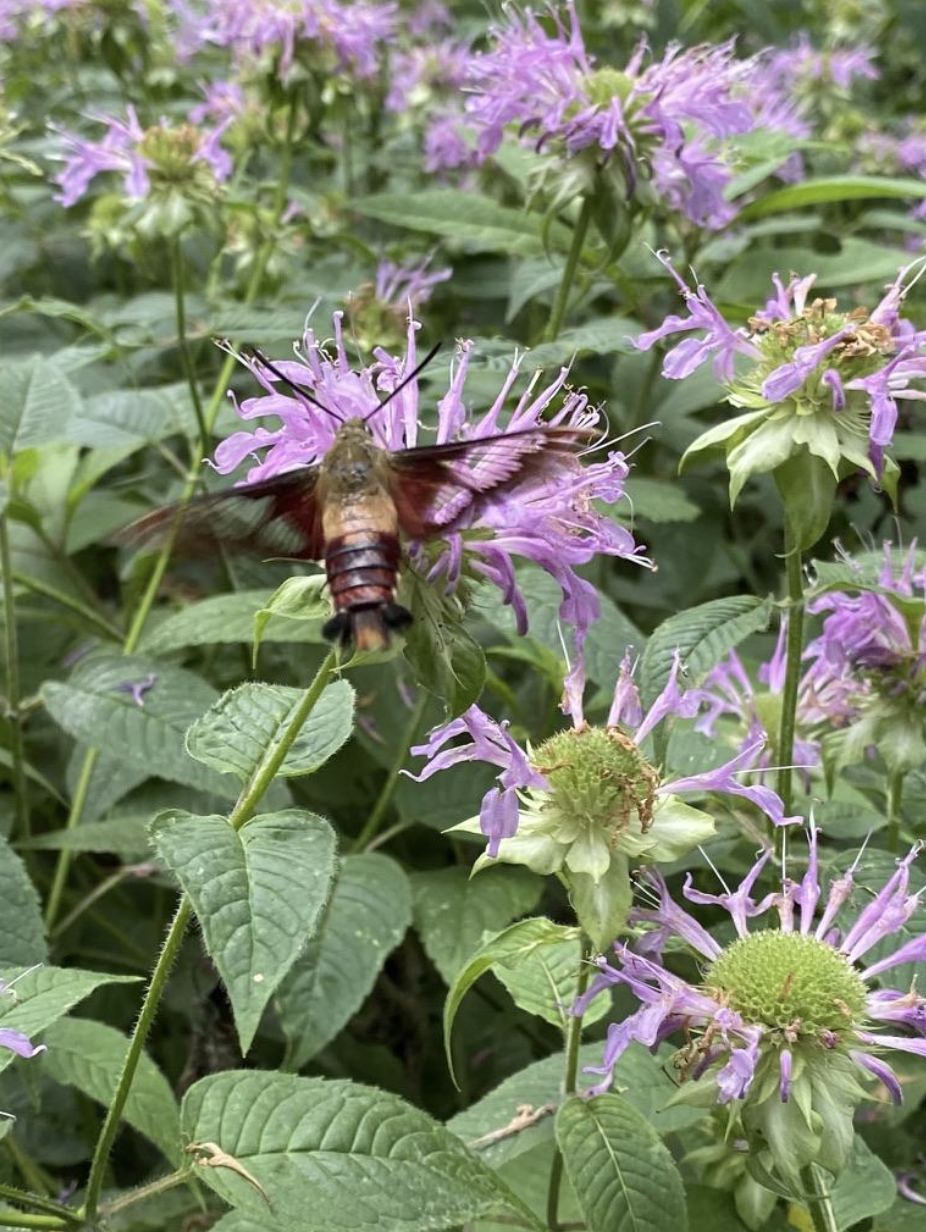
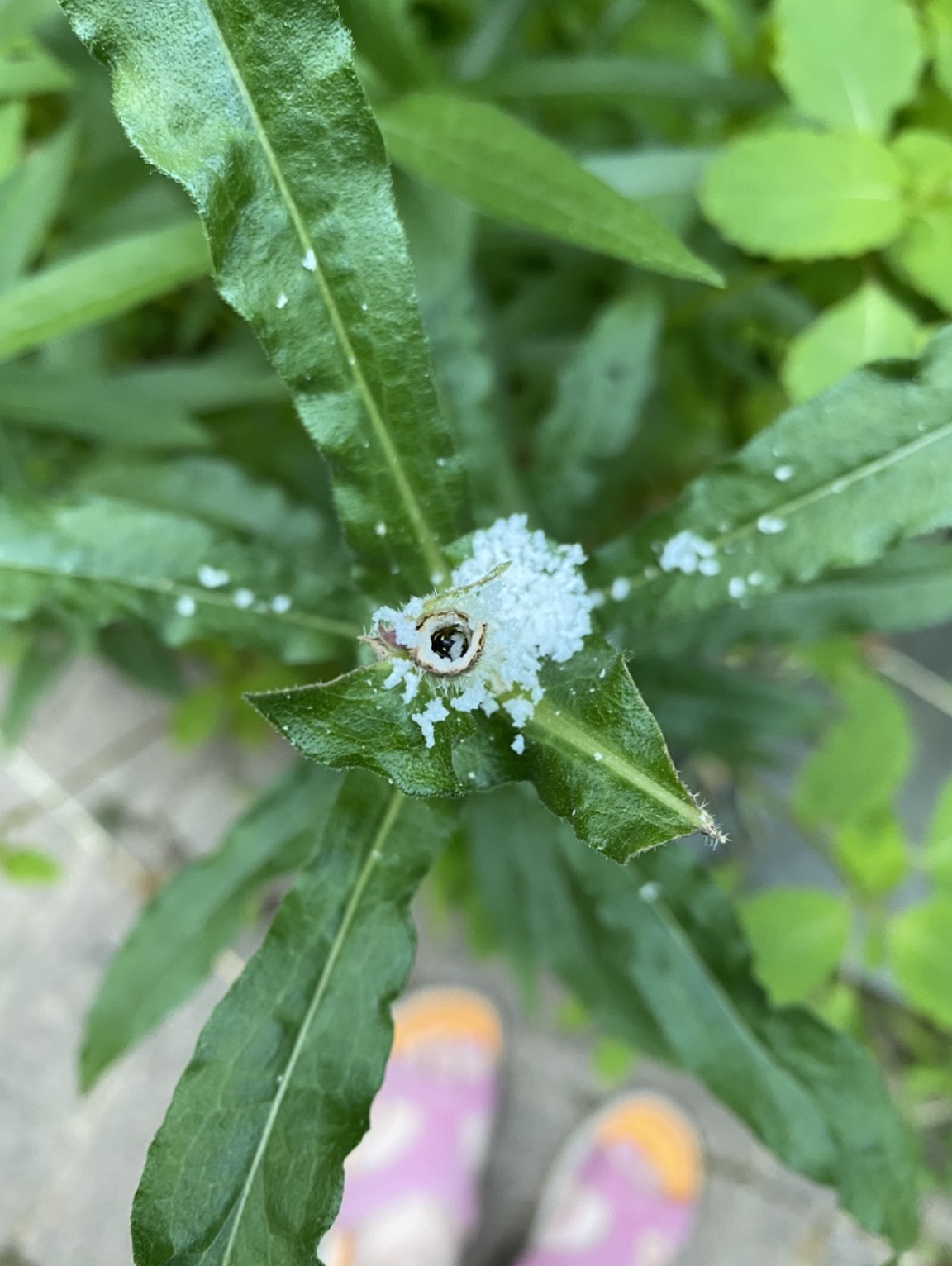
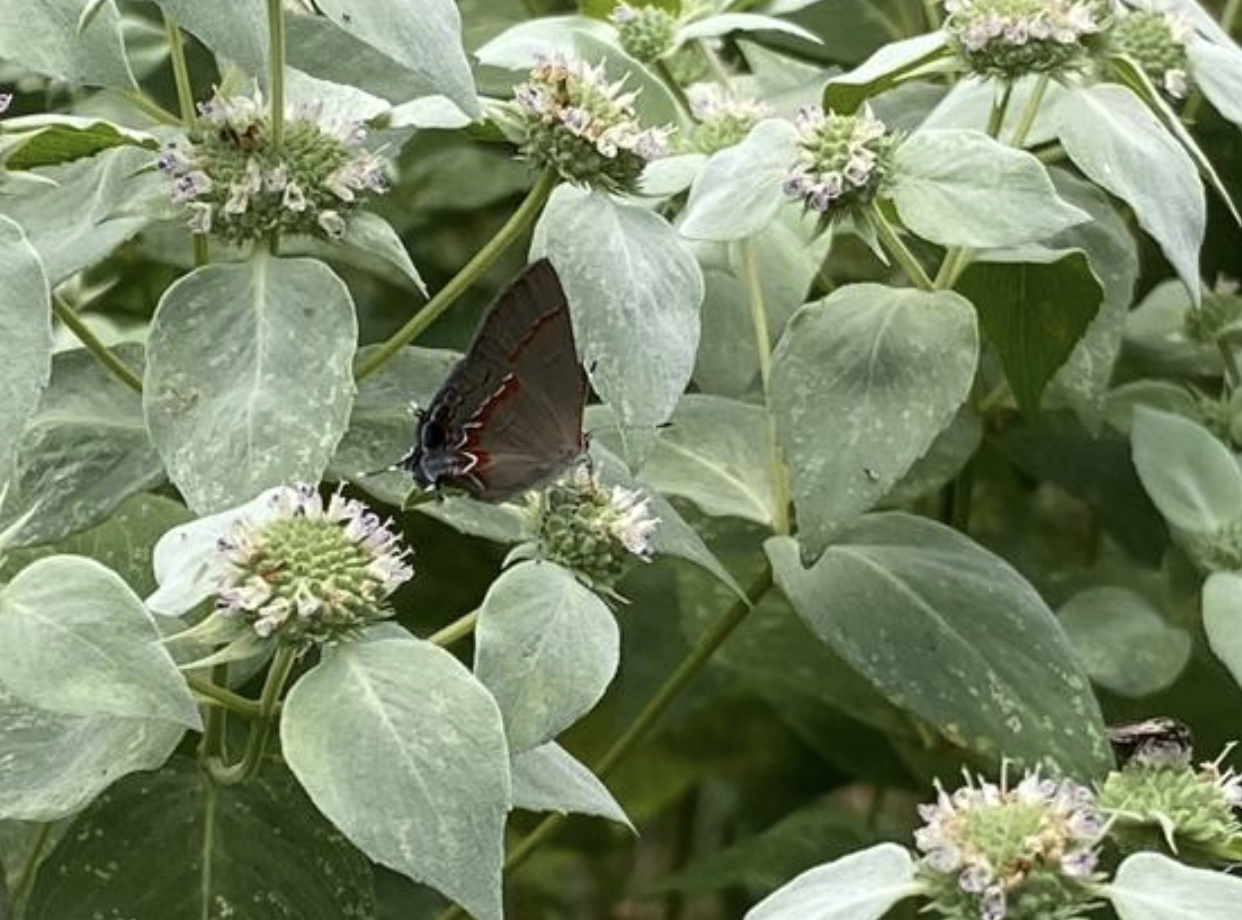
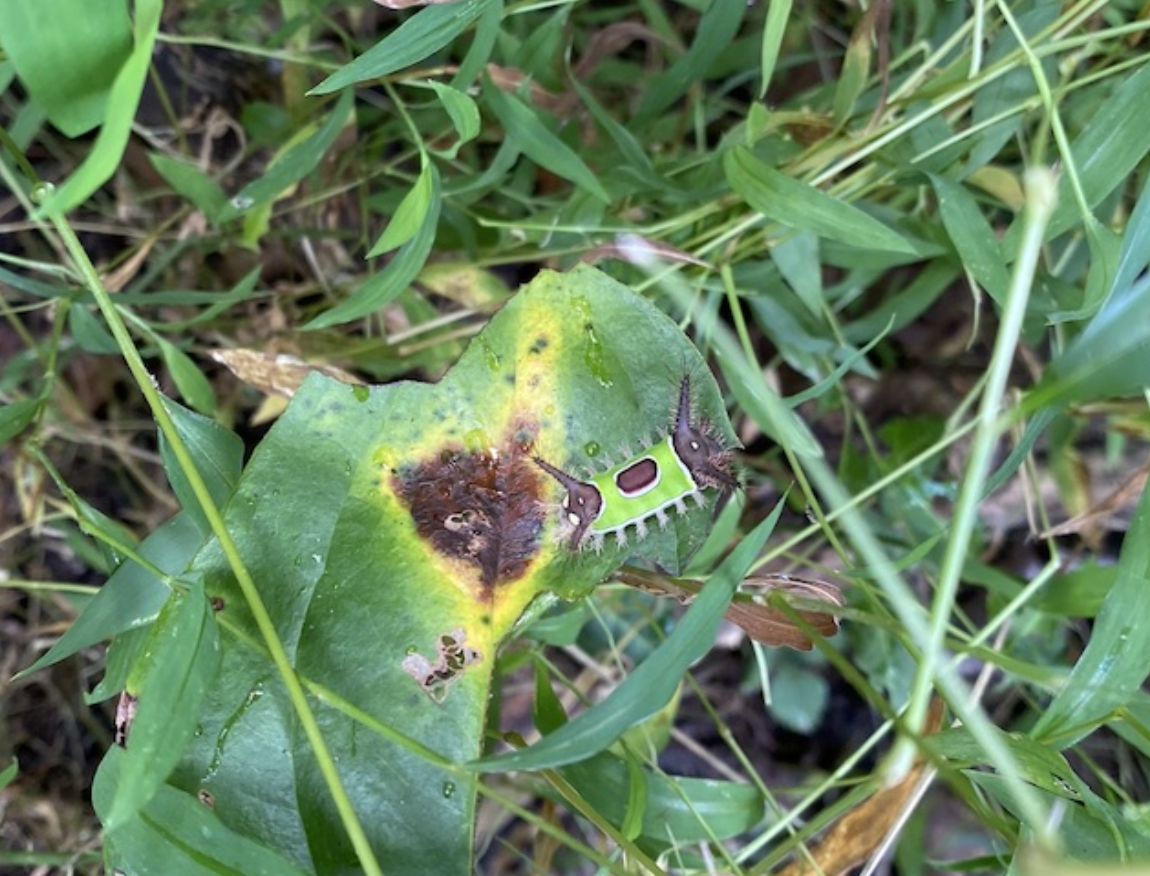
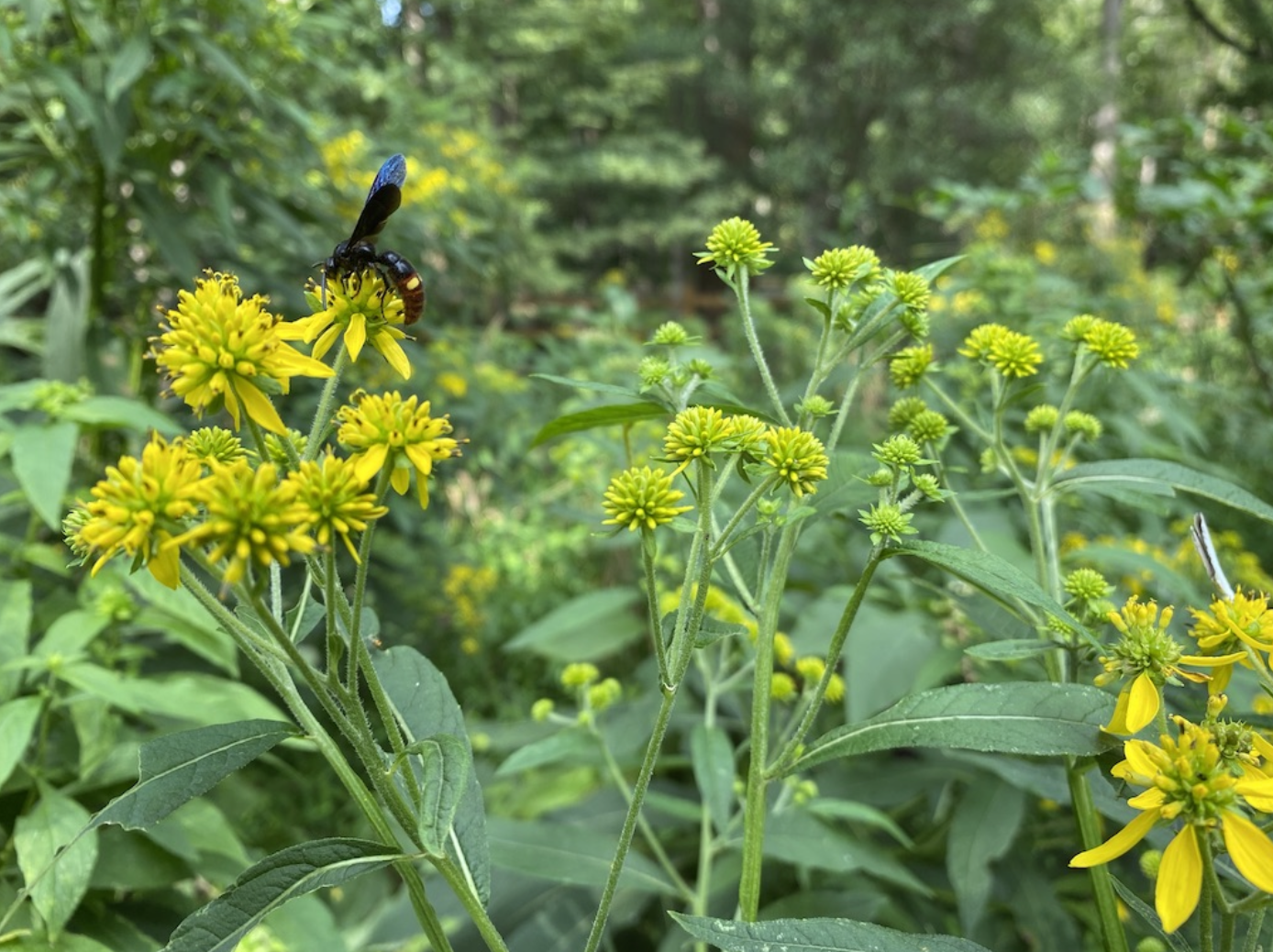
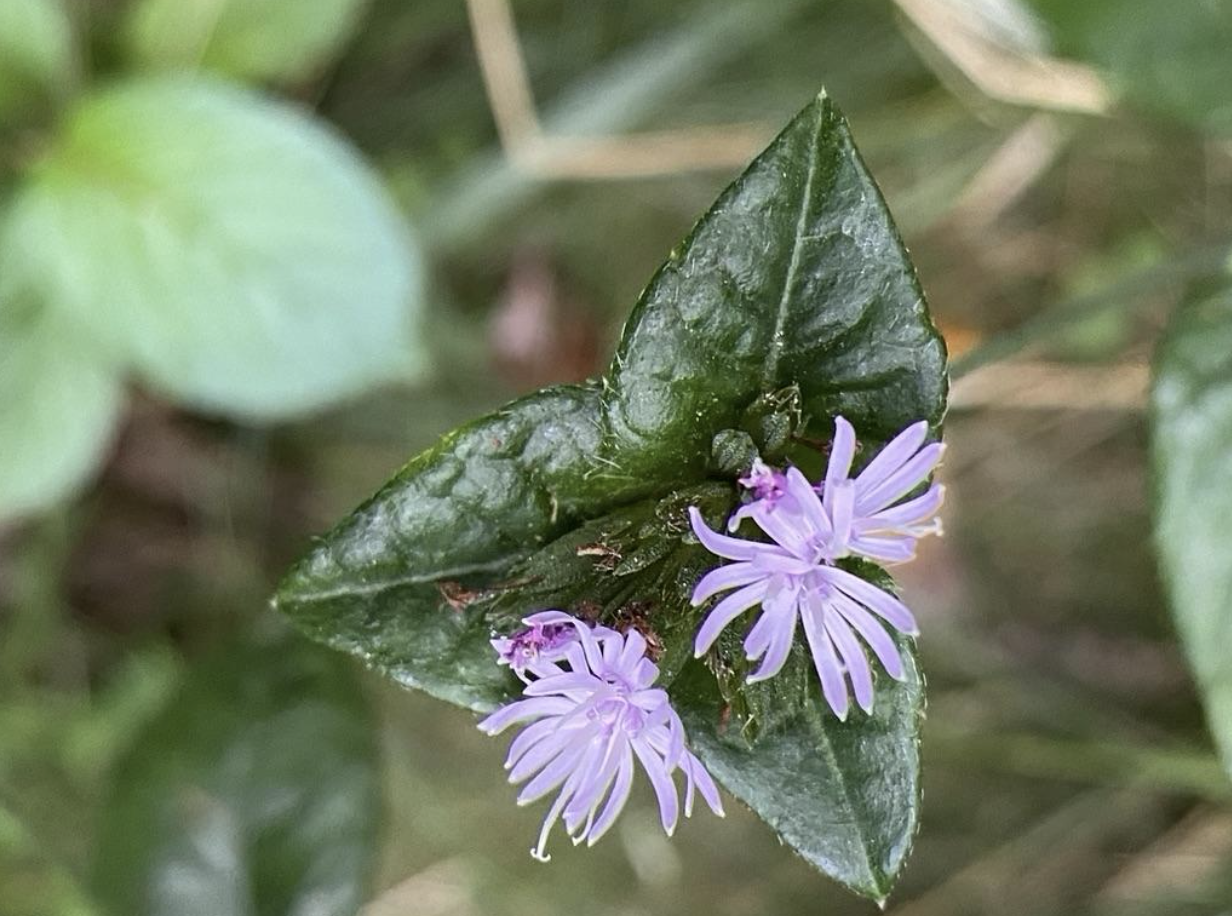
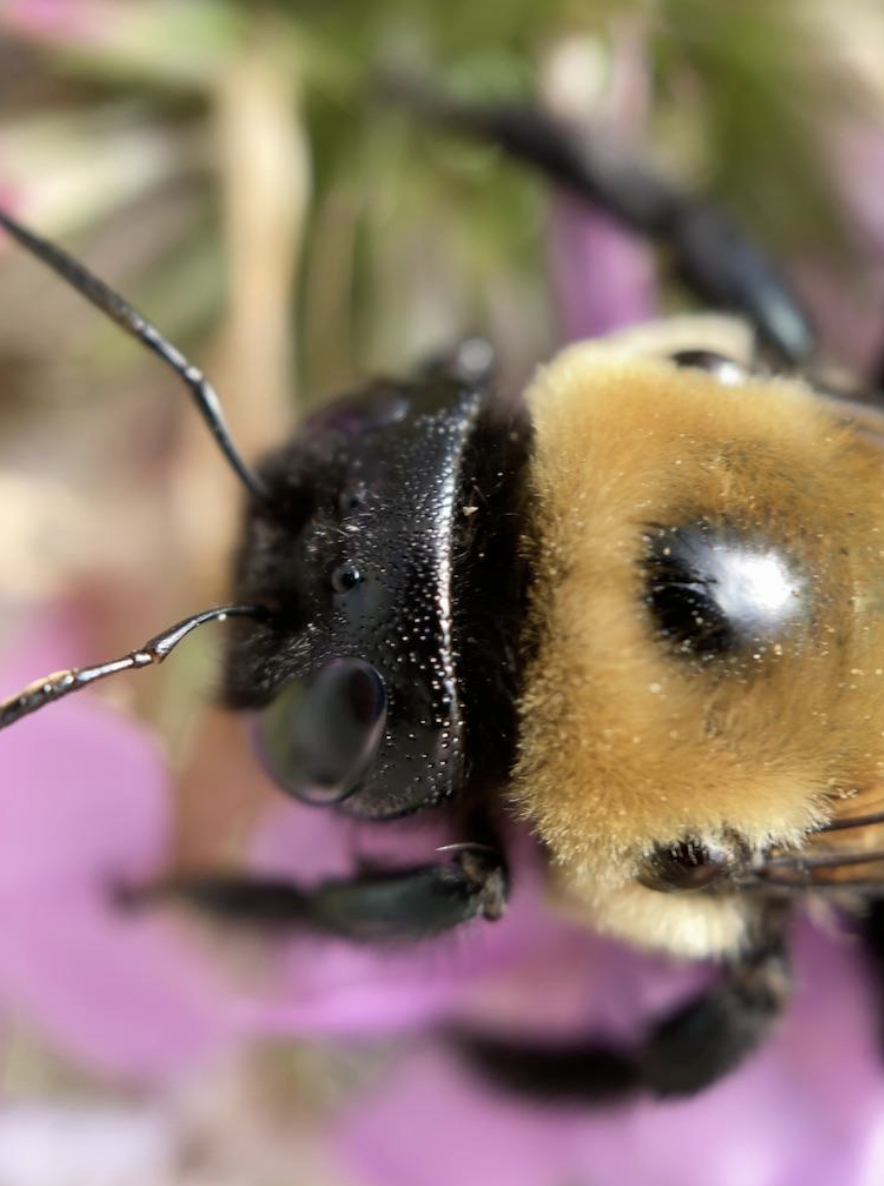
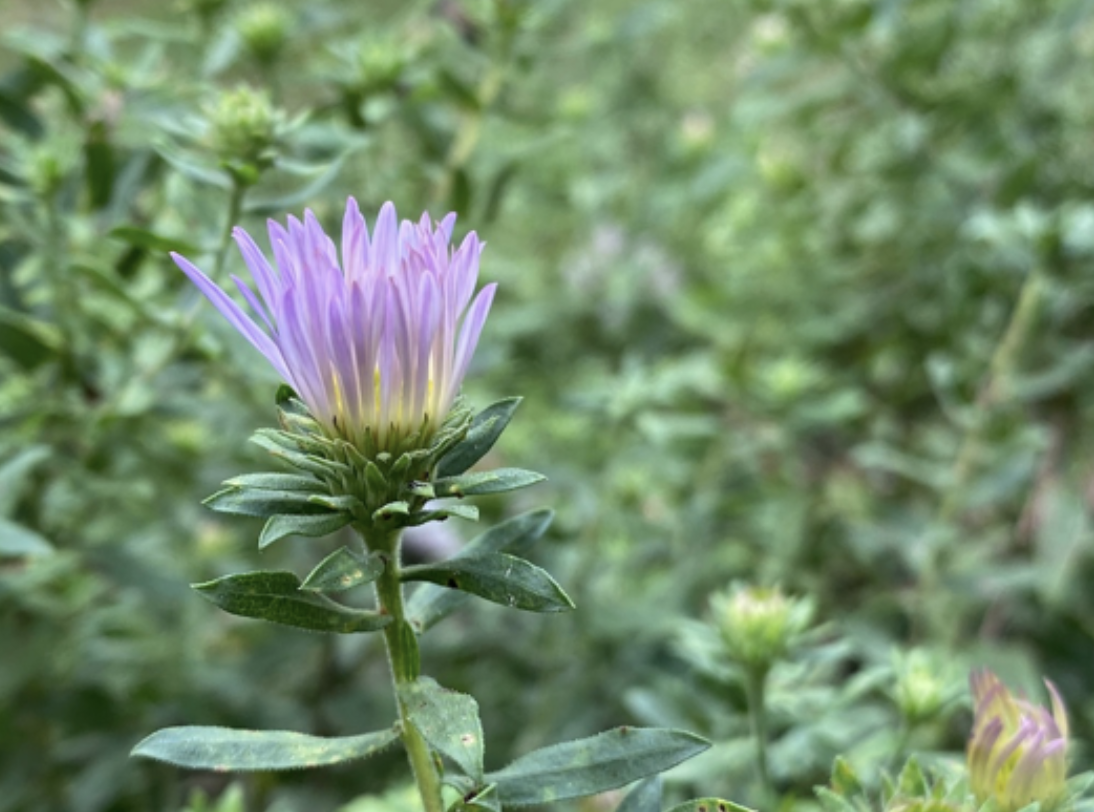
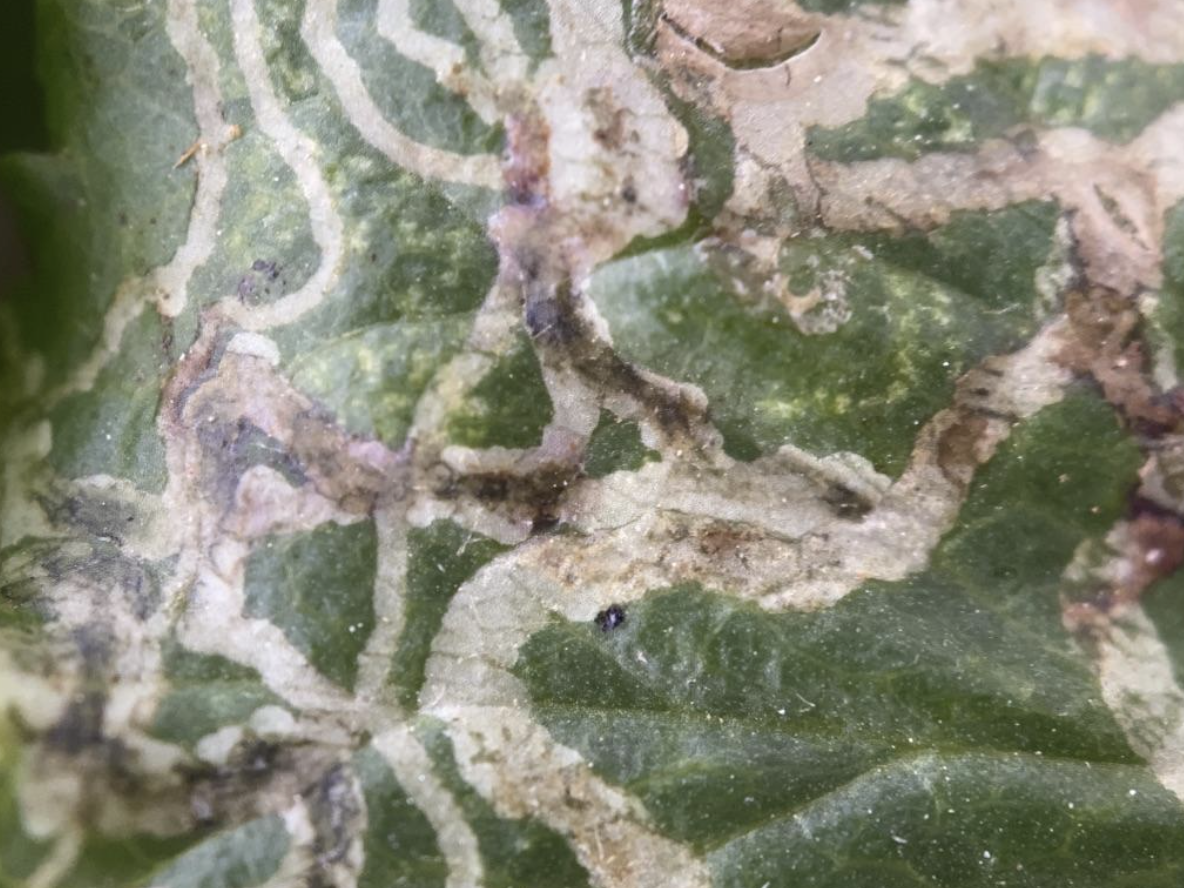
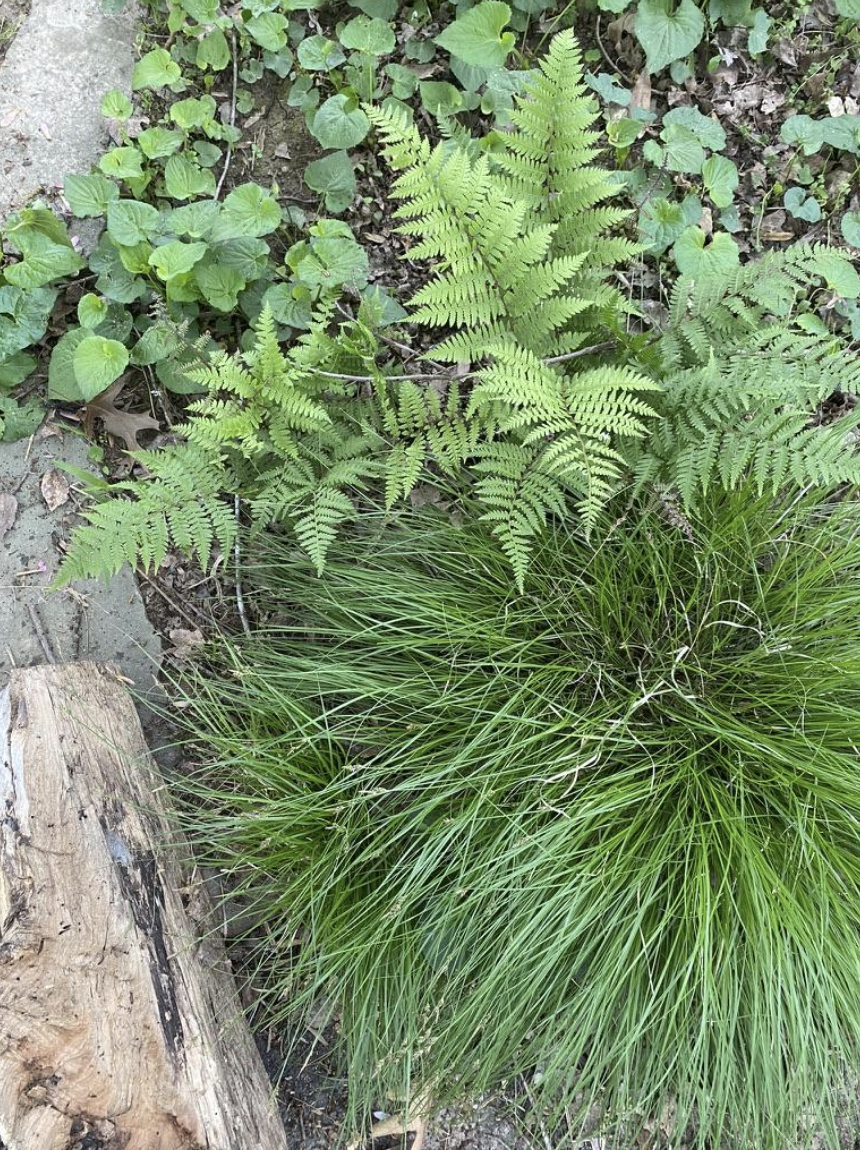
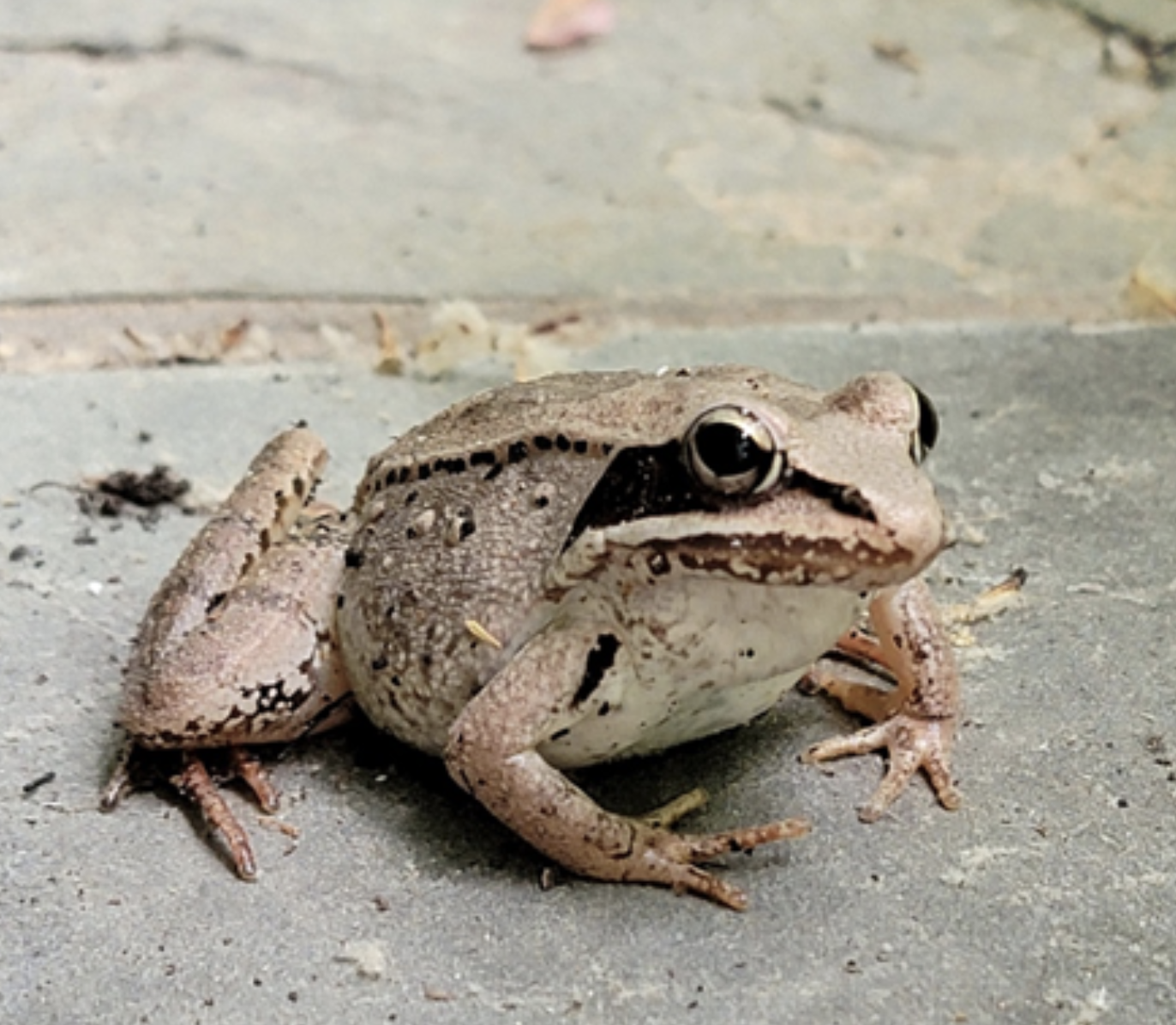
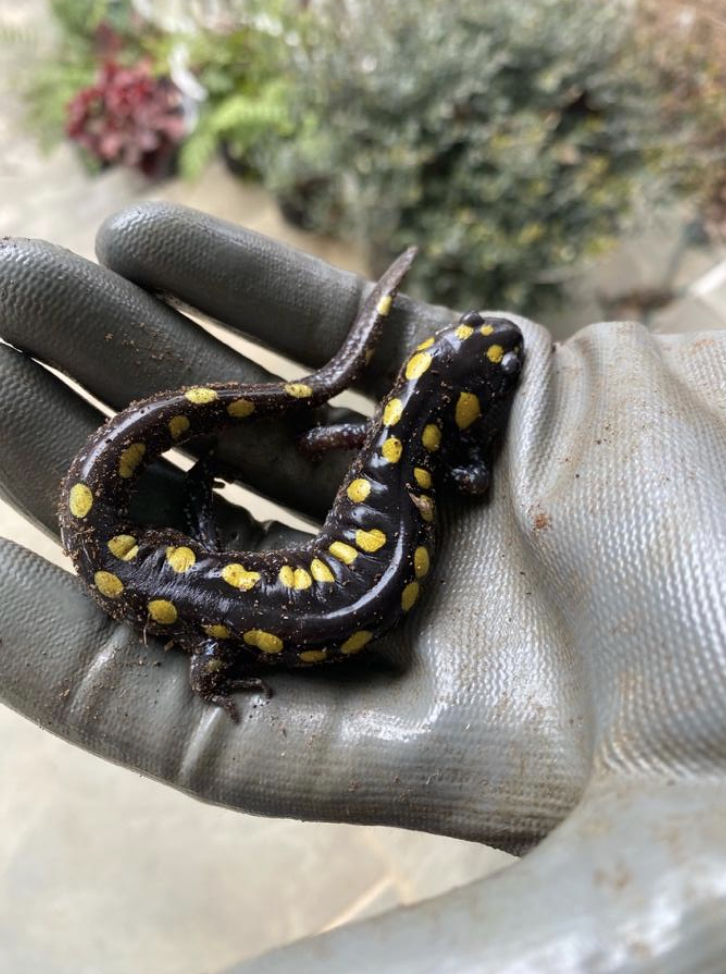
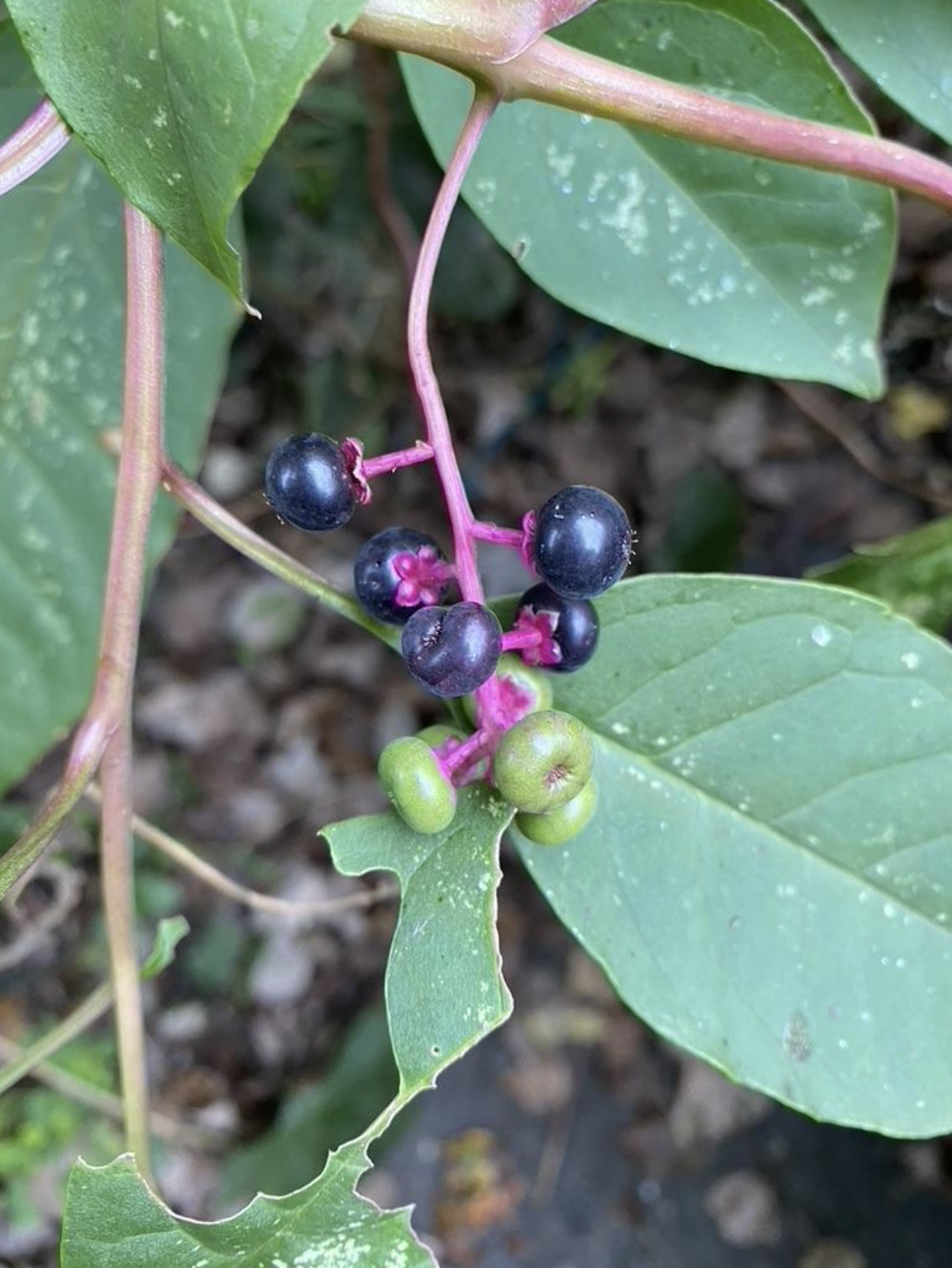
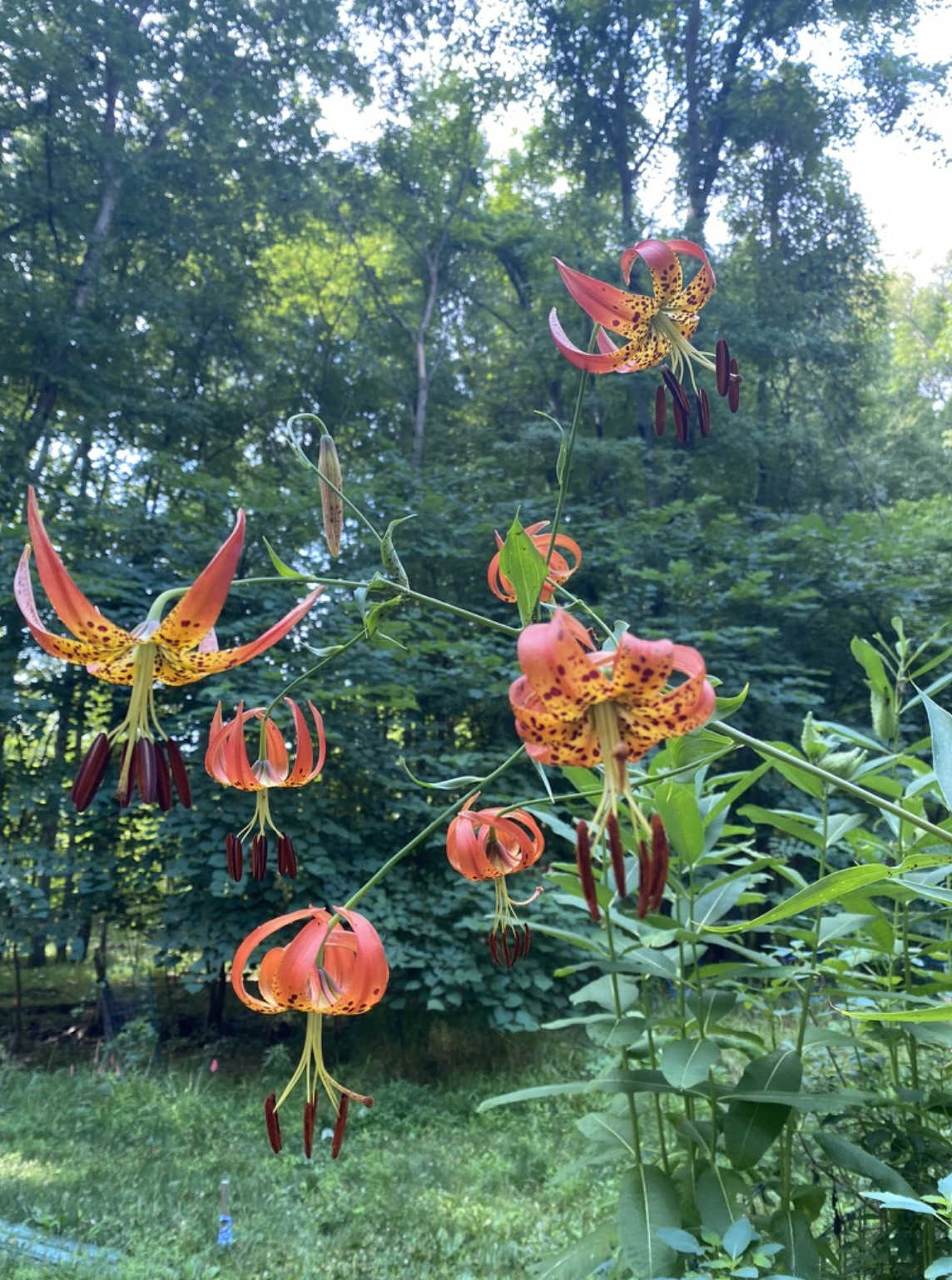
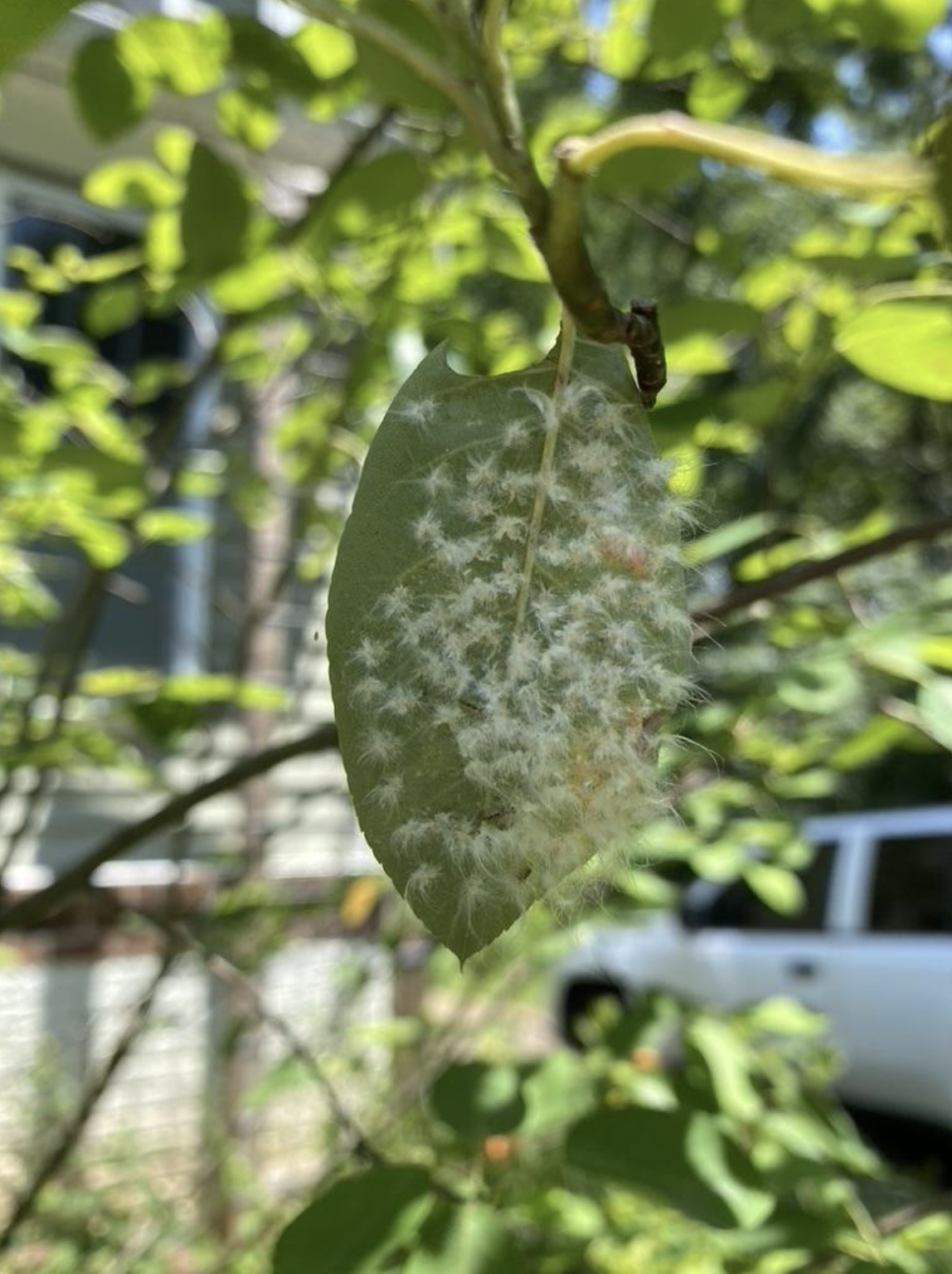
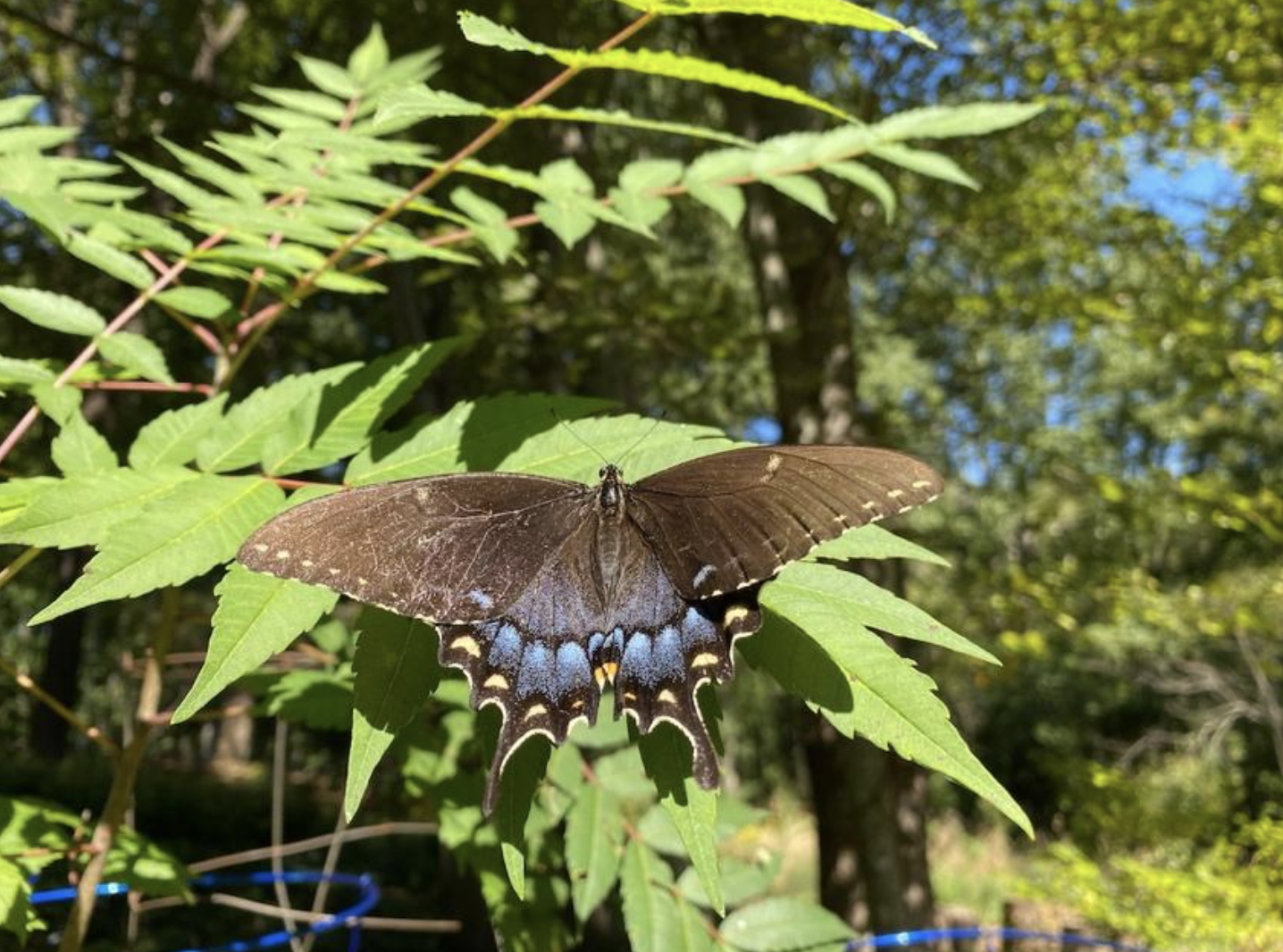
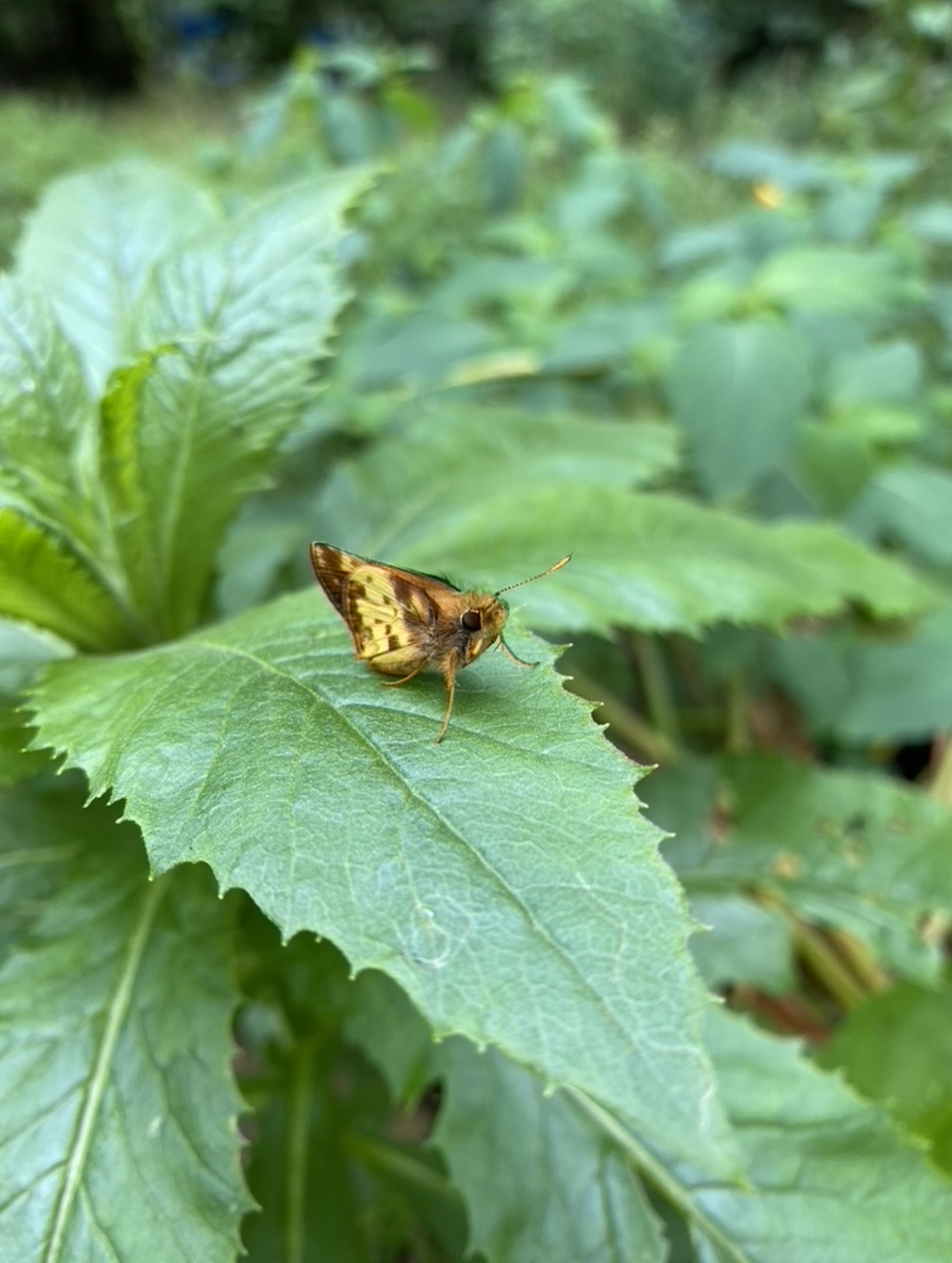
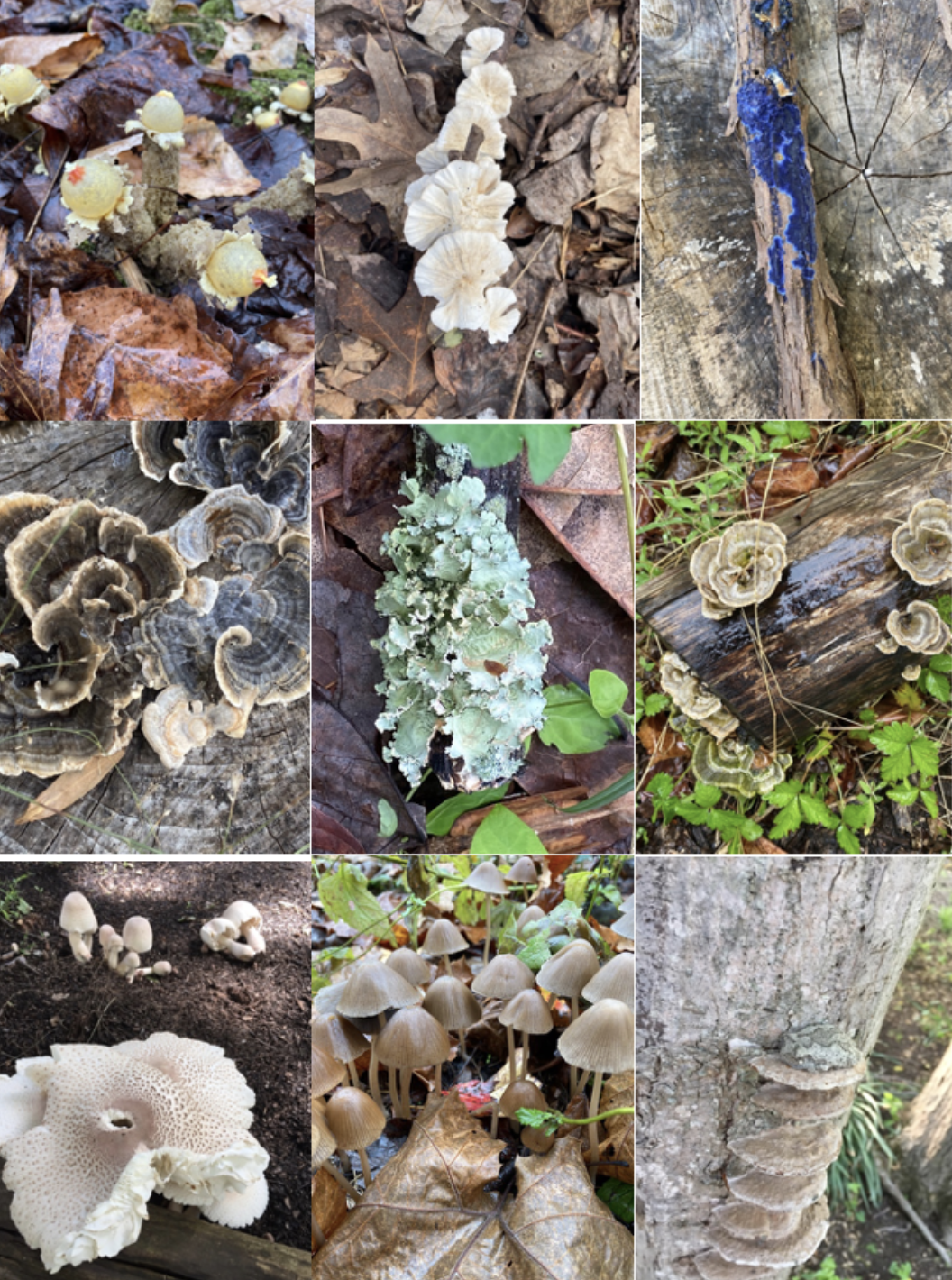
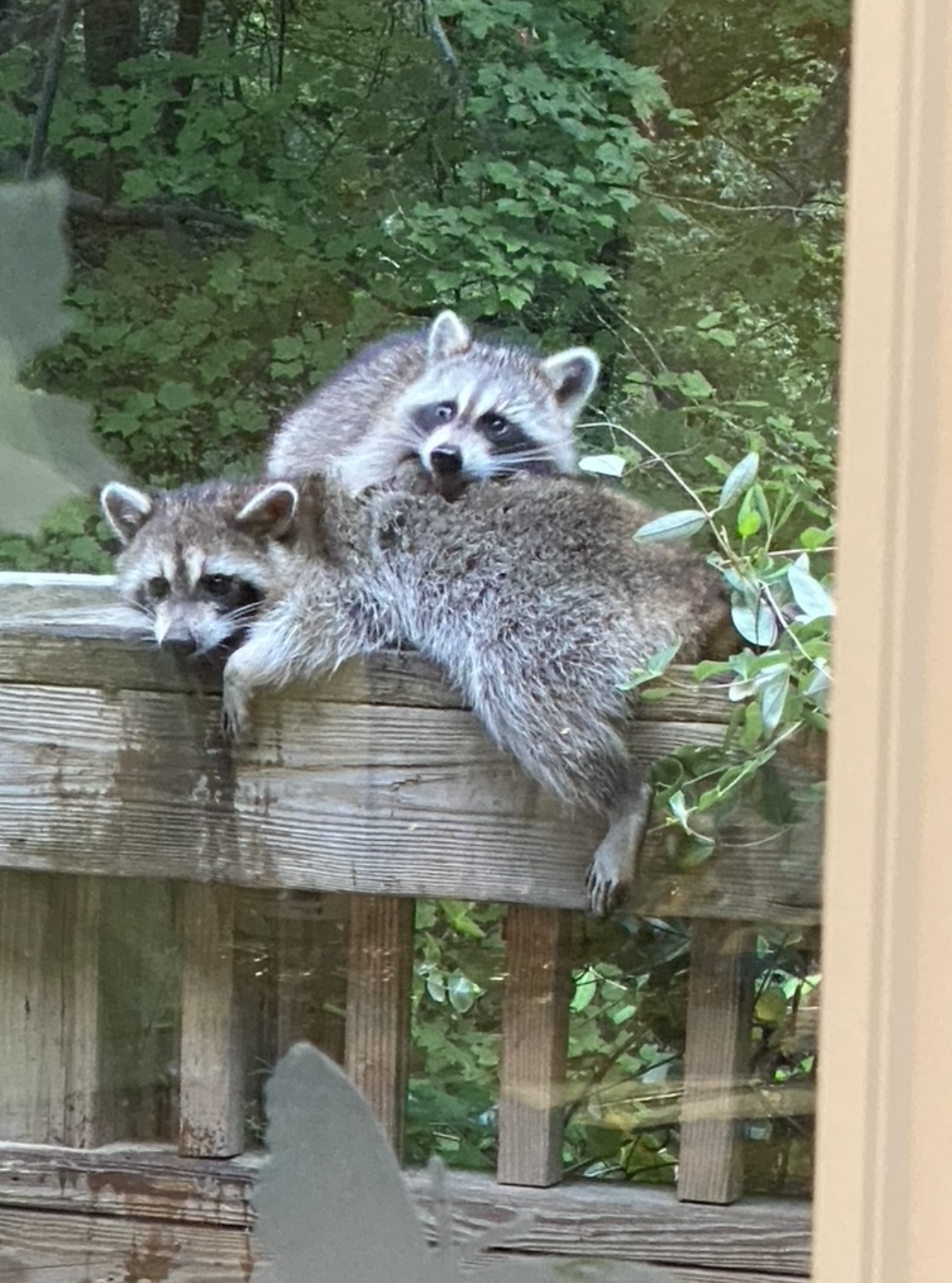
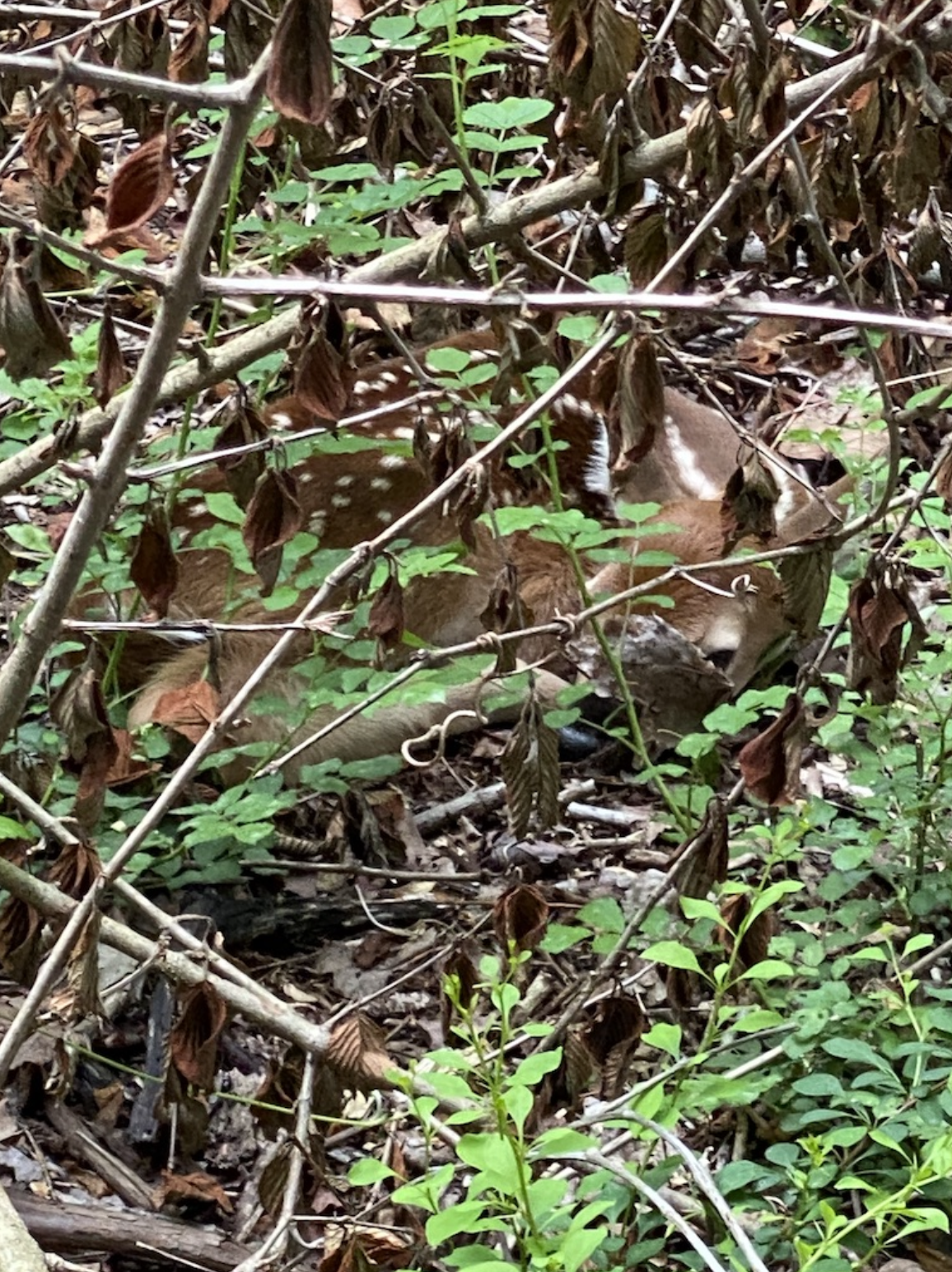
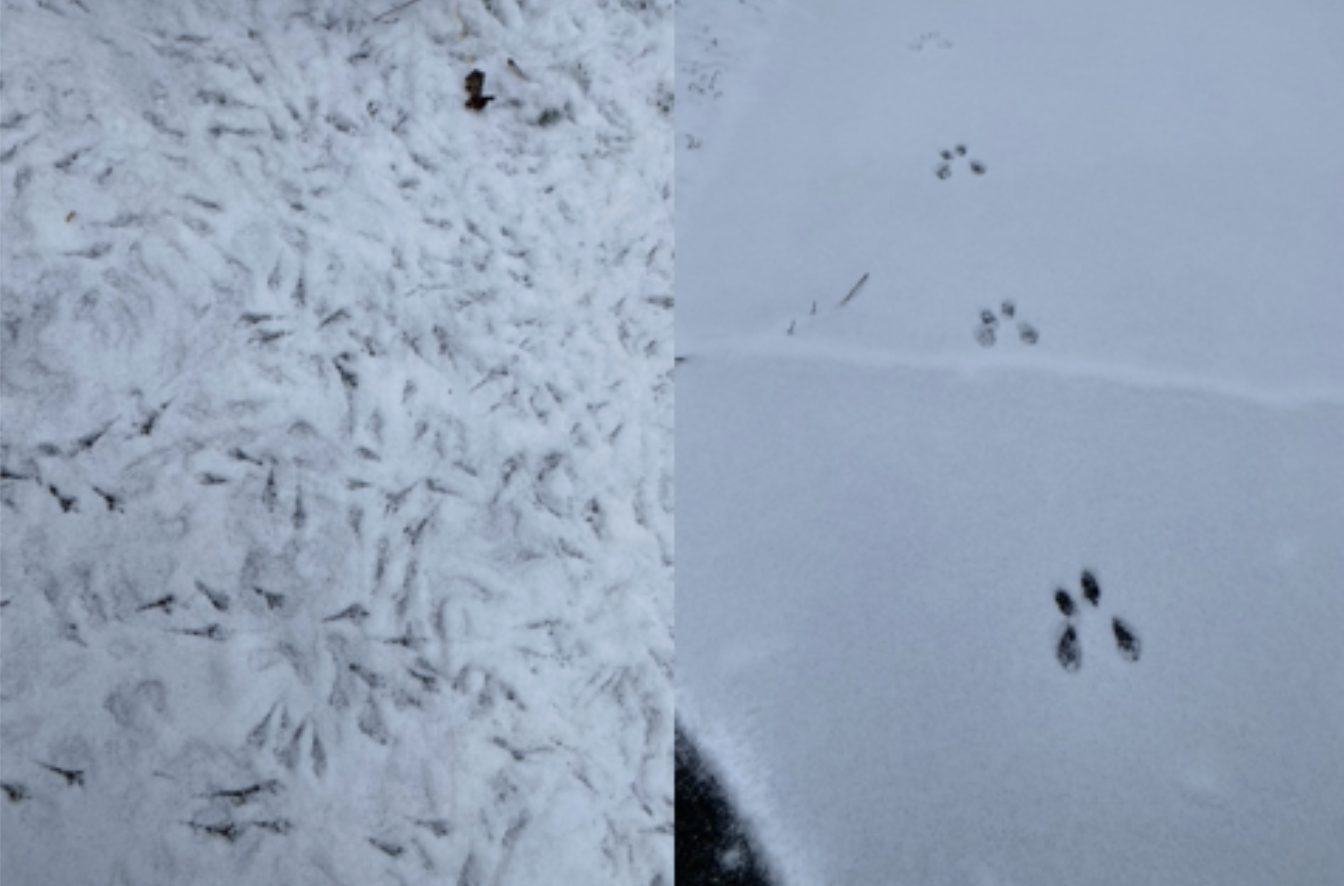
Below are photos of some species from my yard. Most of the birds were documented from using the Merlin Bird ID App. I had a hard time deciding which photos and species to include – I wanted to include them all!